The vast, untamed wilderness of the American frontier has always been a core part of the Red Dead Redemption experience, but the journey from the original game to its critically acclaimed sequel, Red Dead Redemption 2, represents a fundamental shift from arcade-style convenience to immersive realism. This evolution is most profoundly felt in one of the series' most beloved side activities: hunting. What was once a simple, lucrative pastime has been transformed into a complex, skill-based system that demands planning, knowledge, and respect for the game's ecosystem. The changes, while enhancing the world's majesty, have fundamentally altered how players interact with nature, turning every hunt into a deliberate and sometimes perilous expedition.
🐻 The End of the Bottomless Bag: Inventory & Decay
One of the most jarring changes for veterans is the complete overhaul of inventory management. In the original Red Dead Redemption, hunting felt almost magical. Animal pelts, whether from a tiny rabbit or a massive grizzly bear, were treated as pocketable items. Players could amass an endless collection without a second thought, building a small fortune from a single, carefree trip. The pelts never decayed, never lost value, and created a wonderfully lax, risk-free economy.
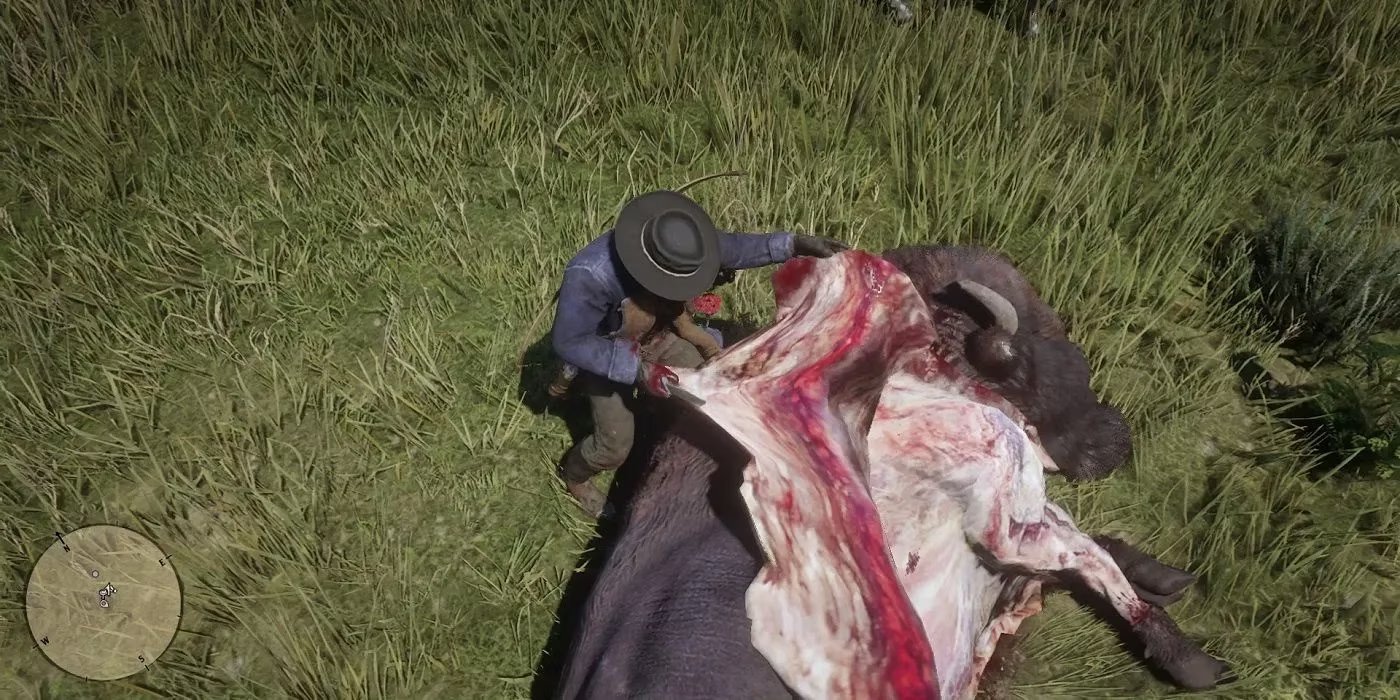
Red Dead Redemption 2 shatters this fantasy in the name of authenticity. Now, pelts are physical objects with weight, bulk, and a ticking clock. They begin to decay the moment they are harvested, slowly losing value if not sold or crafted in time. More importantly, storage is severely limited. Arthur Morgan and his trusty steed can only carry a handful of skins at once—roughly 15, depending on their size—with larger pelts like bear or bison hides taking up significant space. This creates a constant tension: do you head back to a vendor now to secure your earnings, or push your luck for one more perfect kill, risking spoilage or attack? While saddle upgrades and satchels can mitigate these limits, the loss of infinite, weightless storage was a seismic shift that made every hunting decision meaningful.
🔫 The Right Tool for the Job: Weapon Choice & Pelt Quality
In the original game, any gun was essentially the right gun. Blasting a deer with a shotgun or a revolver would still yield a perfect pelt, making weapon choice largely irrelevant to the hunt's profitability. This lowered the barrier to entry, allowing any player to participate successfully.
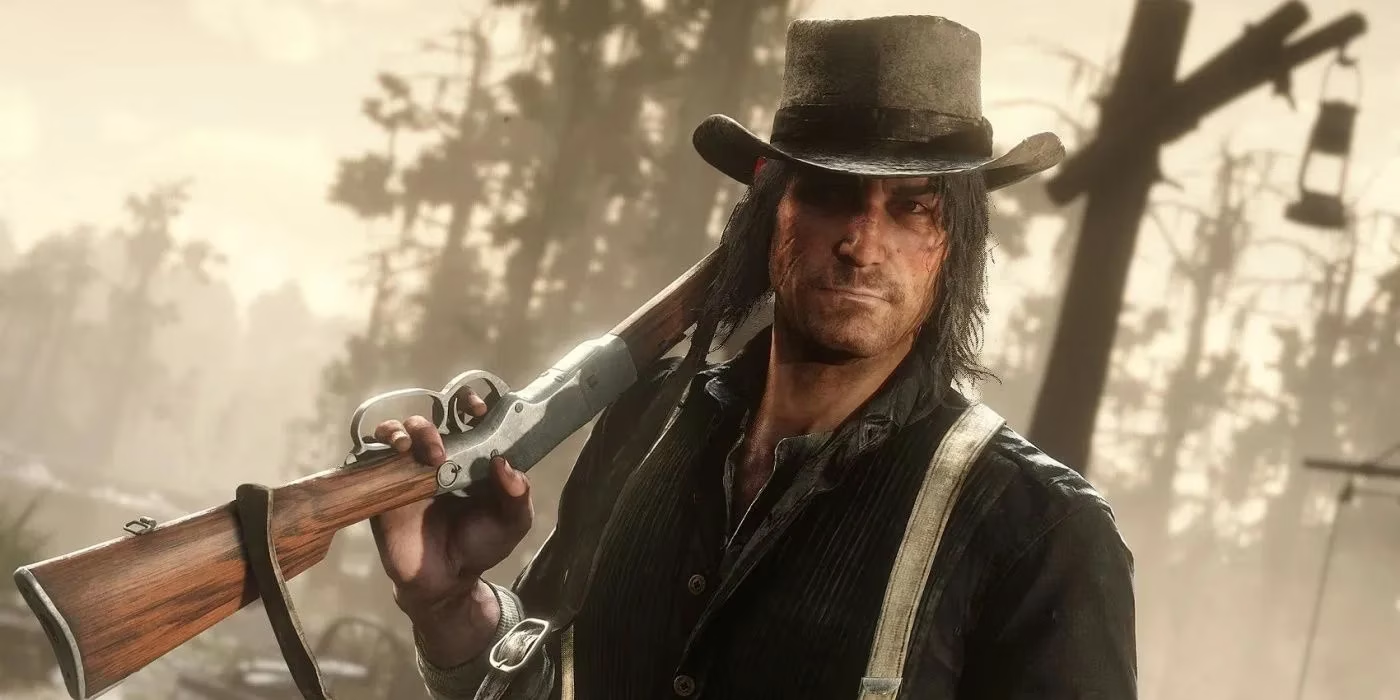
The sequel introduces a sophisticated pelt quality system (Perfect, Good, Poor) that is directly tied to both the weapon used and the precision of the shot. Now, players must engage in actual wildlife study. Hunting a deer requires a rifle with a scope for a clean headshot, while smaller game like squirrels demand a varmint rifle. Using the wrong weapon—or being sloppy with your aim—results in damaged, less valuable pelts. This system elevates hunting from a mindless activity to a skilled craft. It demands awareness and preparation; forgetting to swap your repeater for a rifle before tracking an elk can mean the difference between a lucrative prize and a wasted opportunity. The game even accounts for this with the Trapper and the Fence, who offer better prices for pristine materials, creating a tangible reward for mastery.
🐺 A More Dangerous Frontier: Expanded Wildlife & Predators
The world of Red Dead Redemption 2 isn't just more beautiful; it's more alive and far more dangerous. The original game featured a respectable 38 animal species. The sequel more than doubles that count, boasting over 80 distinct species that fill every biome with authentic sound and fury.
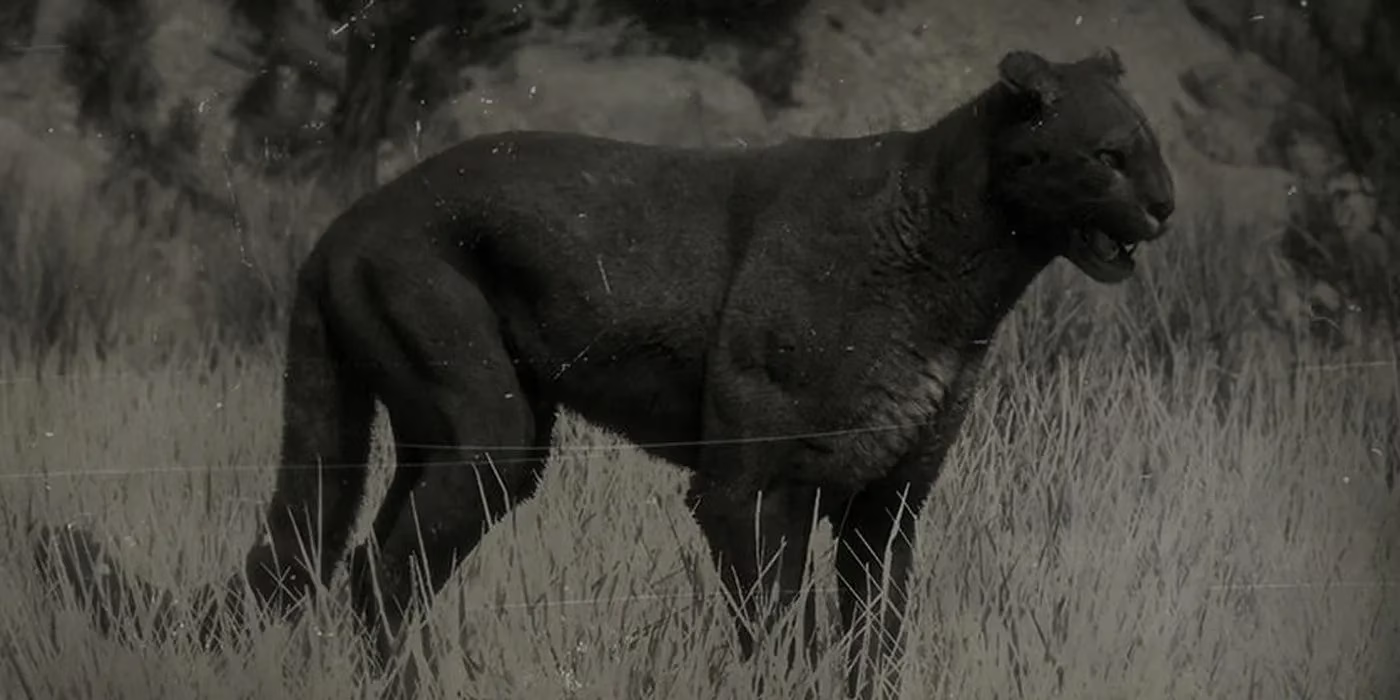
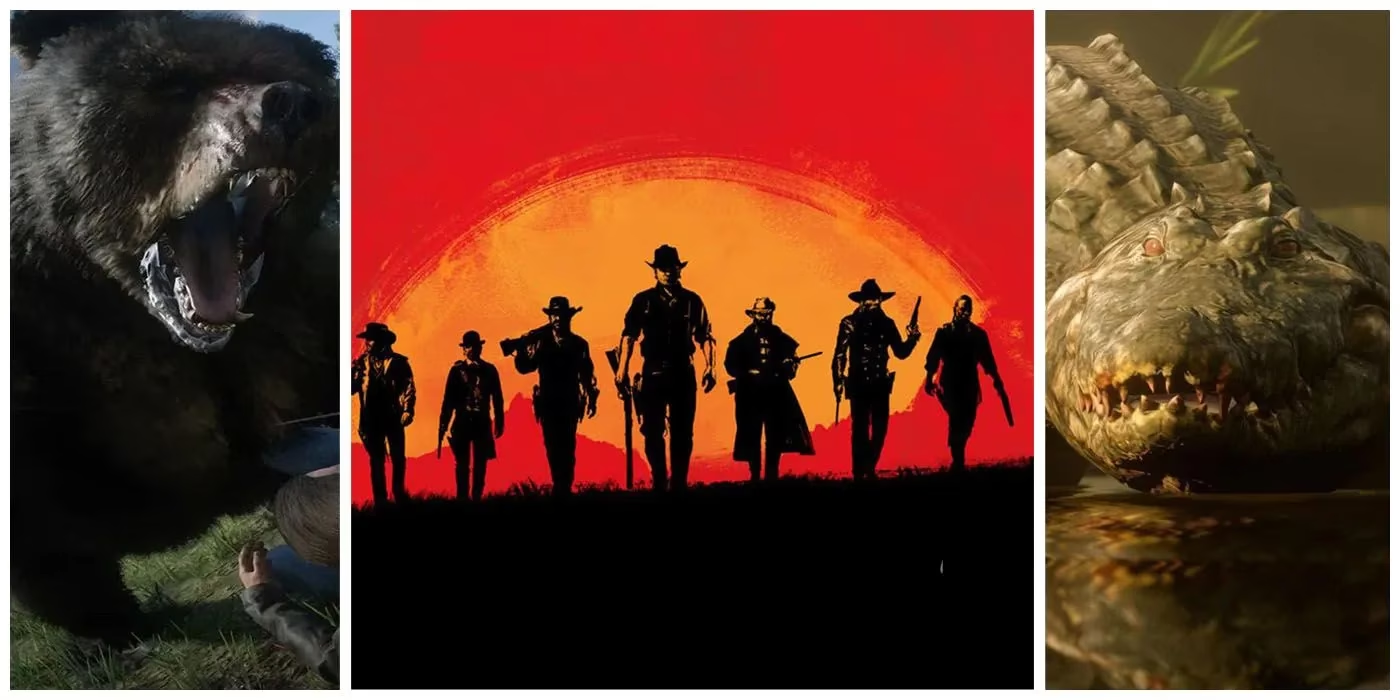
This expansion isn't just for show. It fundamentally changes the rhythm of exploration and hunting. In the first game, threats were relatively predictable—cougars in specific areas, the occasional bear. In RDR2, danger lurks around every corner. Swamps teem with aggressive alligators. Snowy passes are patrolled by wolf packs. Silent timber rattlesnakes can strike from the grass. A peaceful hunt for a whitetail buck can instantly turn into a frantic fight for survival against a grizzly. This constant, low-level threat adds a thrilling layer of tension and appropriate "wild nature" to the experience. You're not just a hunter; you're also potential prey, making every excursion feel like a genuine venture into the untamed wilderness.
💰 The Economic Puzzle: From Simple Cash Grab to Strategic Venture
These combined changes transform the economic role of hunting. In the original Red Dead Redemption, hunting was an infinite, easy money glitch. Players could ride out, massacre the local fauna, and return to town as instant tycoons. It was simple, effective, and somewhat detached from the world.
In Red Dead Redemption 2, earning cash through hunting is a deliberate puzzle. You must:
-
Identify your target and its habitat.
-
Equip the correct weapon from your limited saddle inventory.
-
Execute a clean kill to preserve quality.
-
Manage your limited cargo space efficiently.
-
Navigate environmental dangers on your journey.
-
Race against decay to sell or craft your haul.
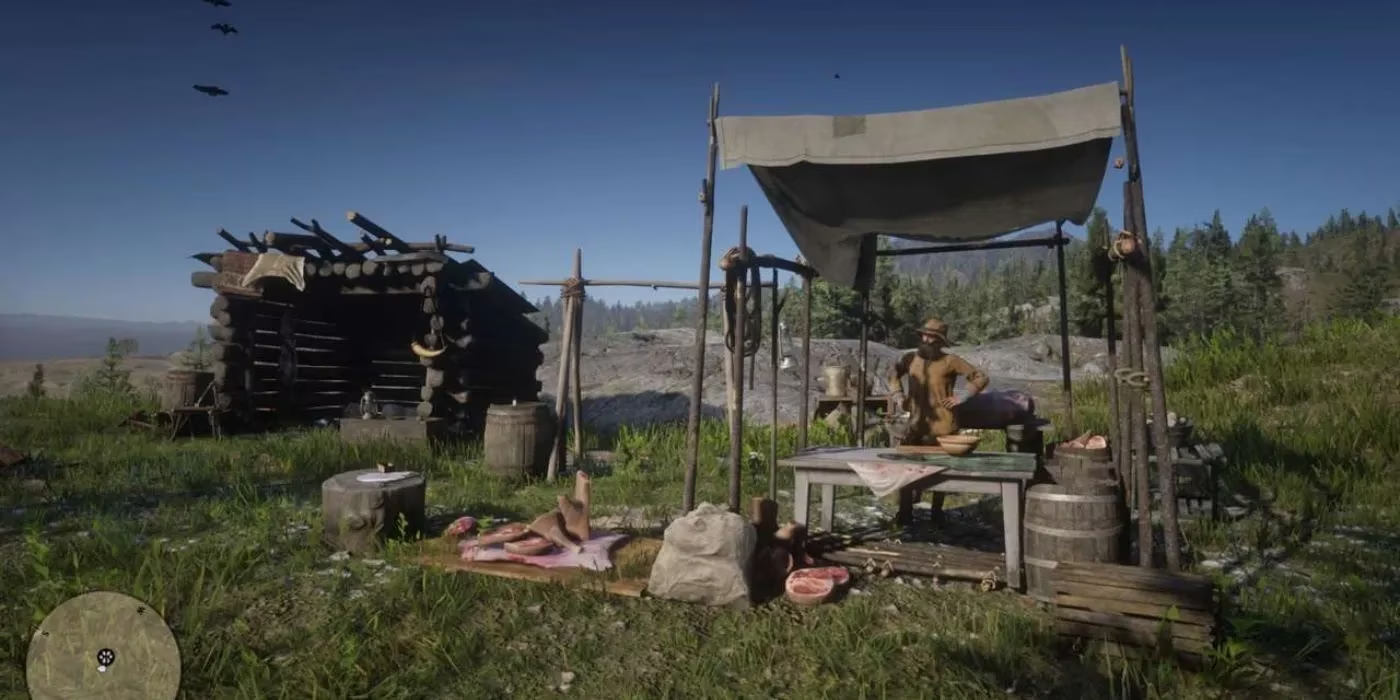
The introduction of the Trapper adds another layer. He doesn't just buy pelts; he uses them to craft unique clothing, saddles, and gear. This creates a compelling alternative economy where the most valuable pelts aren't necessarily the ones you sell for immediate cash, but the ones you save to create a legendary outfit that boosts your stats. Hunting becomes less about grinding for dollars and more about gathering specific resources for personalization and progression.
Comparison Table: Hunting Evolution
| Feature | Red Dead Redemption (Original) | Red Dead Redemption 2 (Sequel) |
|---|---|---|
| Pelt Storage | Infinite, weightless inventory | Limited to ~15 on horseback, pelts decay |
| Weapon Impact | Any weapon yields perfect pelt | Specific weapons required for perfect pelts |
| Pelt Quality | No quality system | 3-Tier system (Perfect, Good, Poor) |
| Animal Count | ~38 species | Over 80 species |
| Primary Threat | Cougars, occasional bears | Alligators, wolves, snakes, bears, cougars |
| Economic Role | Simple, high-yield cash grind | Strategic resource gathering for cash & crafting |
| Player Role | Dominant hunter | Participant in a dangerous ecosystem |
🏆 The Verdict: A Deeper, More Rewarding Challenge
The hunting evolution from Red Dead Redemption to RDR2 is a masterclass in how to deepen a game mechanic through thoughtful realism. Rockstar Games traded the effortless power fantasy of the original for a challenging, immersive simulation. While some may miss the simple convenience of stuffing 50 perfect pelts into a metaphysical pocket, the new system creates far more memorable stories. The heart-pounding moment you spot a legendary animal, the careful stalk through dense fog, the precise shot, and the frantic ride back to the Trapper before predators or rival gangs intercept you—these experiences have weight and consequence.
Ultimately, hunting in Red Dead Redemption 2 is no longer just a side activity; it's an integral part of living in its world. It teaches patience, observation, and respect for the environment. It forces players to engage with the game's intricate systems, from weapon maintenance to wildlife behavior. This shift from a simple profit-making loop to a complex survival-and-crafting pillar is a key reason why the world of RDR2 feels so breathtakingly real and endlessly engaging, even years after its release. It’s not just about what you take from the wilderness, but how you learn to exist within it. 🤠✨