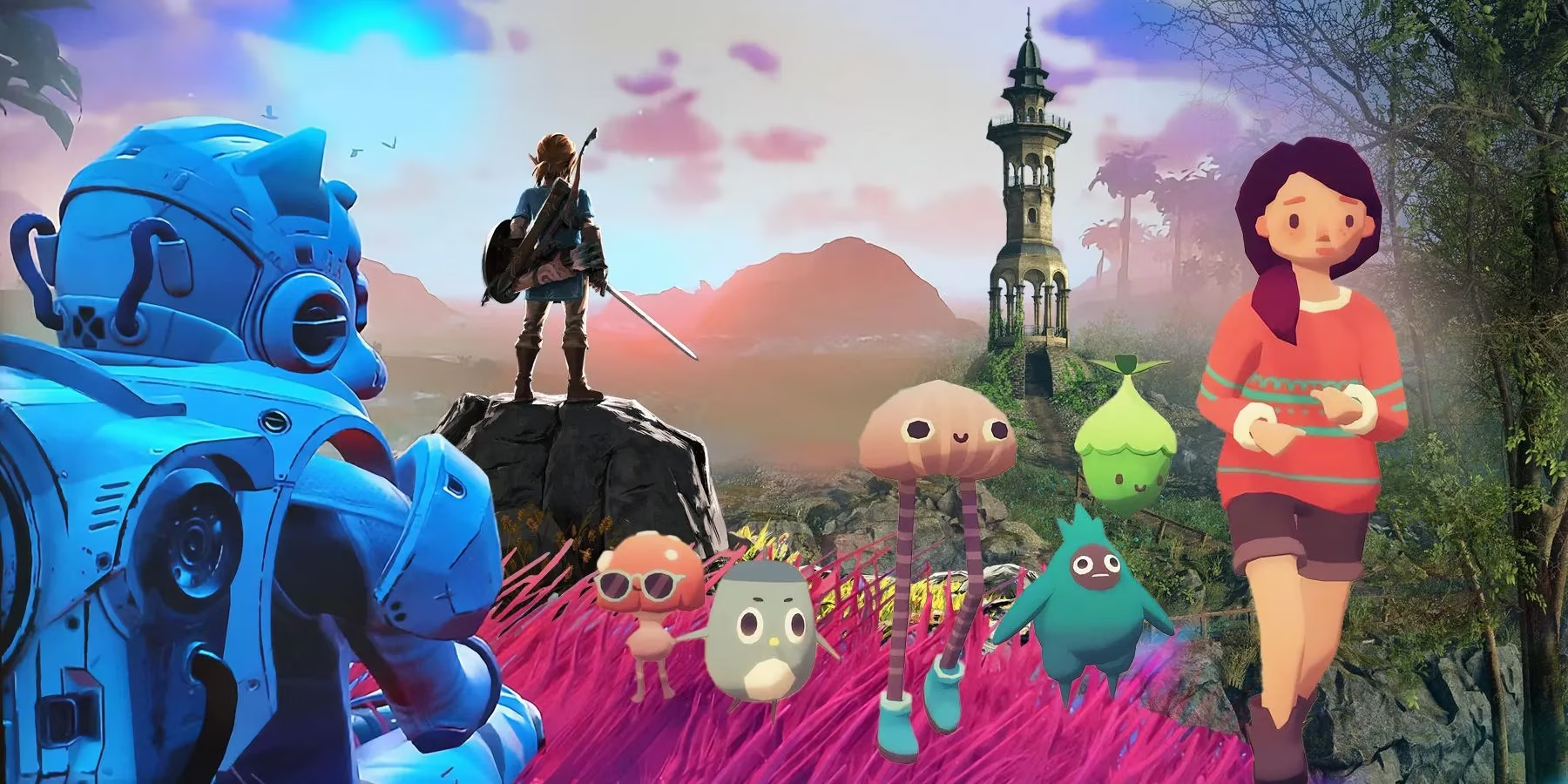
After a day full of meetings, pings, and never‑ending to-do lists, the last thing I want is a game that makes my heart race even faster. I’ve learned that the best way to reset my brain is to step into a world where I can just wander, breathe, and do things at my own pace. The gaming industry has truly embraced this need, and in 2026 we are spoiled with so many slow‑paced, immersive open‑world titles that feel like a warm digital hug.
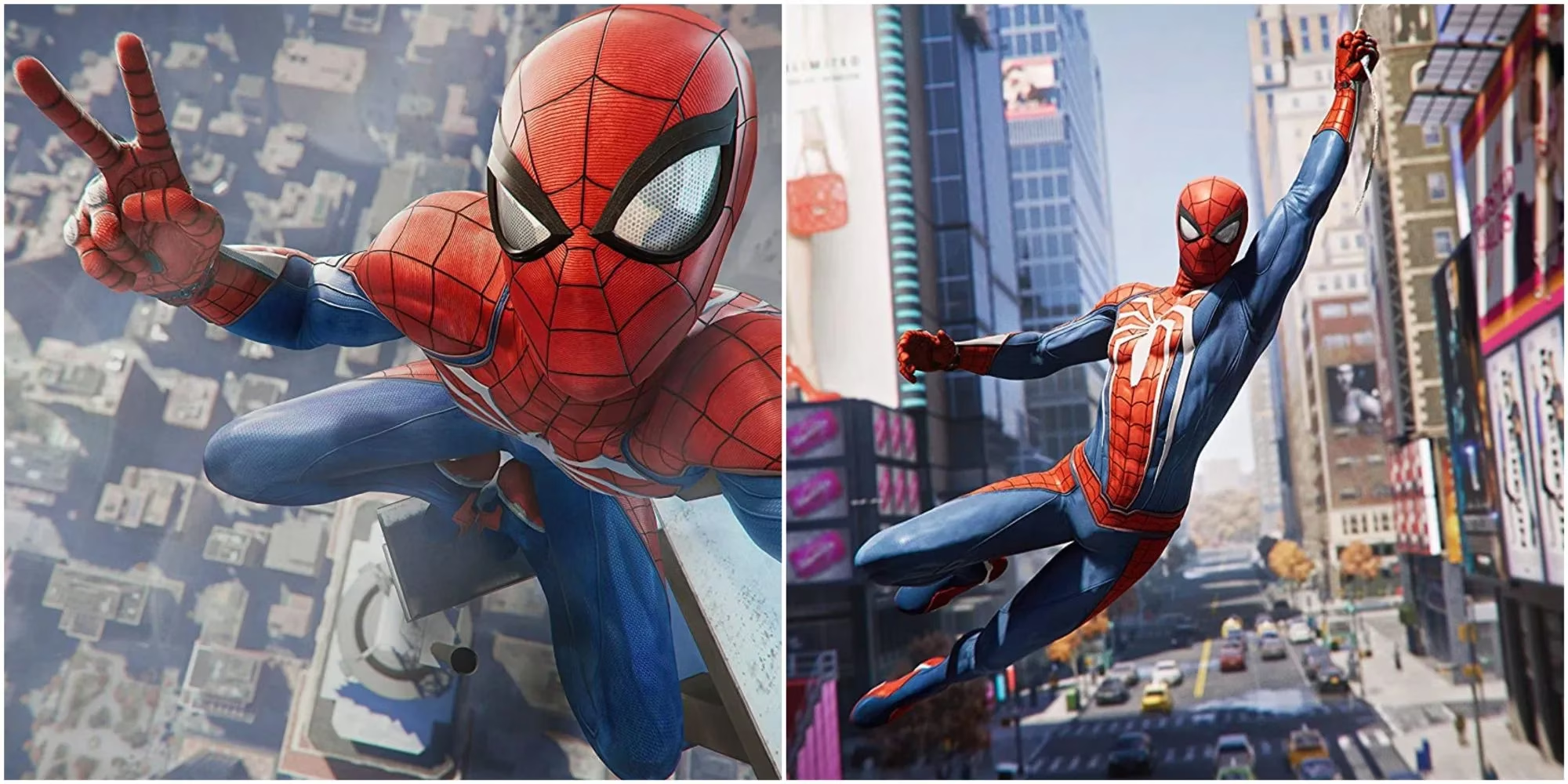
I remember jumping into Marvel’s Spider‑Man back in 2018 and instantly realising that swinging through Manhattan can be pure meditation. Yes, explosions and random crimes pop up, but the sheer joy of web‑slinging above the traffic, with the city glowing at sunset, still does more for my anxiety than any mindfulness app. The fluid motion, the cinematic pauses when you perch on a skyscraper – it’s all so smooth that I often ignore missions entirely. Since then, I’ve also sunk hours into Spider‑Man: Miles Morales and the 2023 sequel Spider‑Man 2, which just expand on that same freeing feeling. For me, these are perfect when I crave something engaging but not punishing.
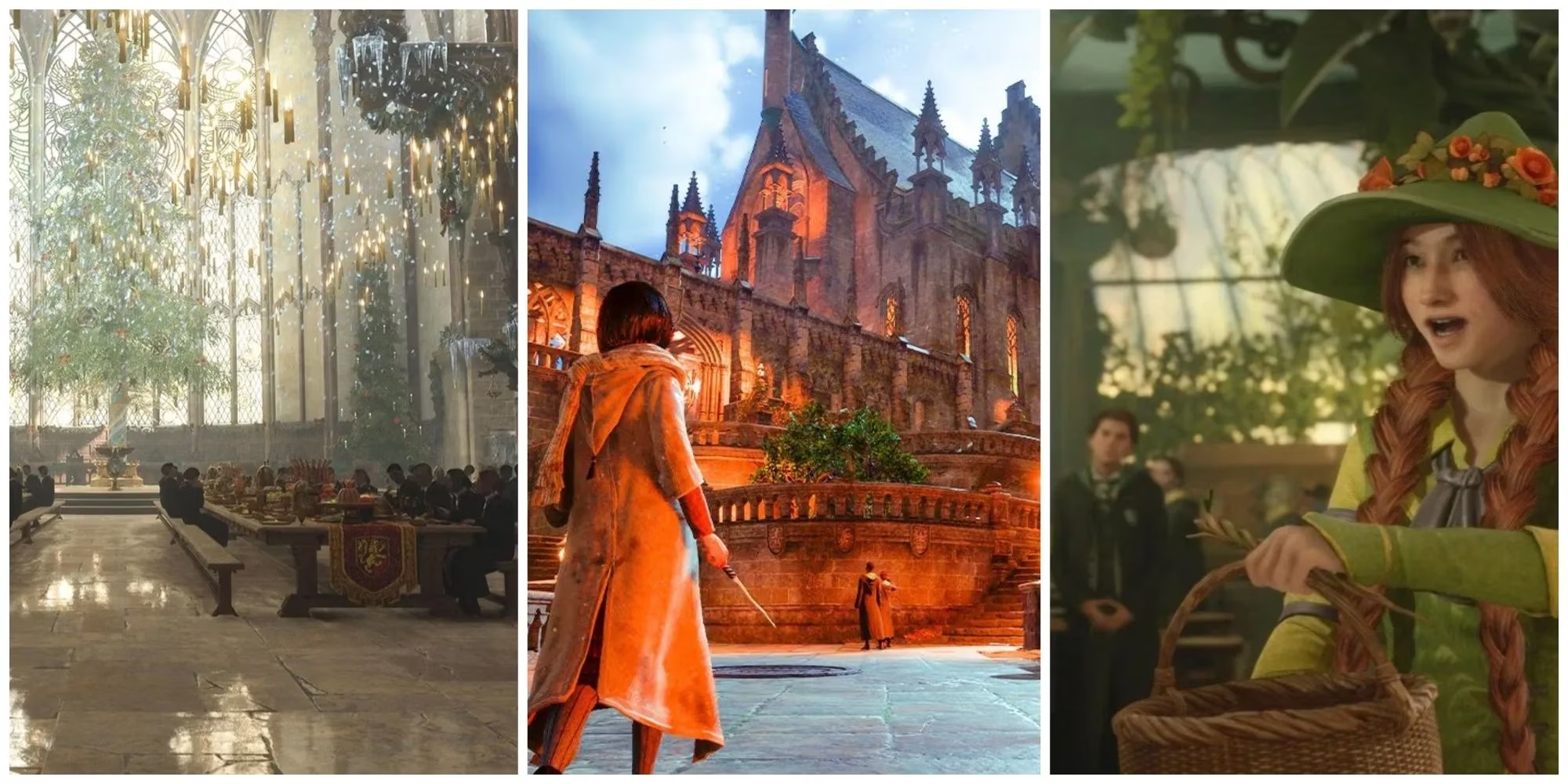
Then there’s the game that single‑handedly rekindled my love for the wizarding world: Hogwarts Legacy. Even three years after its launch, I still boot it up just to hear the music swell as I walk across the wooden bridge at dusk. The amount of detail inside the castle is staggering – I discover new nooks every time. Flying a broomstick over the Highlands, rescuing mooncalves, or simply brewing potions in the Room of Requirement gives me a nostalgic rush that soothes my soul. What’s even more exciting is that we are now on the cusp of the sequel, which is heavily rumoured to drop in early 2027. I’m already daydreaming about the updated graphics and new magical biomes. For any Potterhead, the current game remains an endlessly cosy retreat.
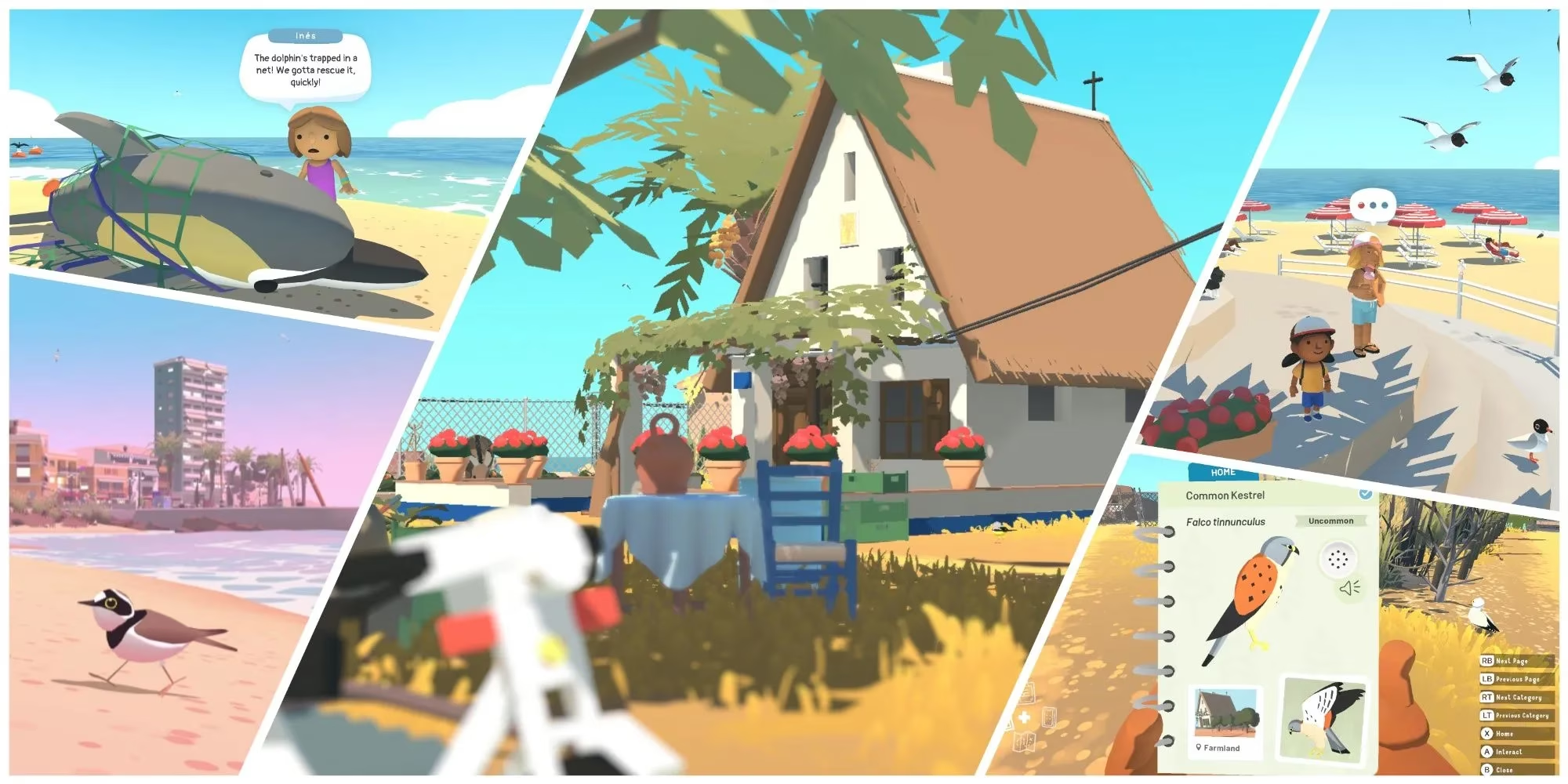
lately I’ve been drawn to shorter, more focused experiences that still give me that open‑air freedom. Alba: A Wildlife Adventure stole my heart in a single evening. You play as a kid on a sun‑soaked Mediterranean island, snapping photos of animals and cleaning up litter. The art style is like a warm Saturday morning cartoon, and every time I heard Alba’s little feet pattering across the sand, I couldn’t stop smiling. The whole adventure is only a few hours long, which is a gift when I don’t want another 80‑hour commitment. And knowing the developers still plant a real tree for every download? That’s the kind of feel‑good energy I need.
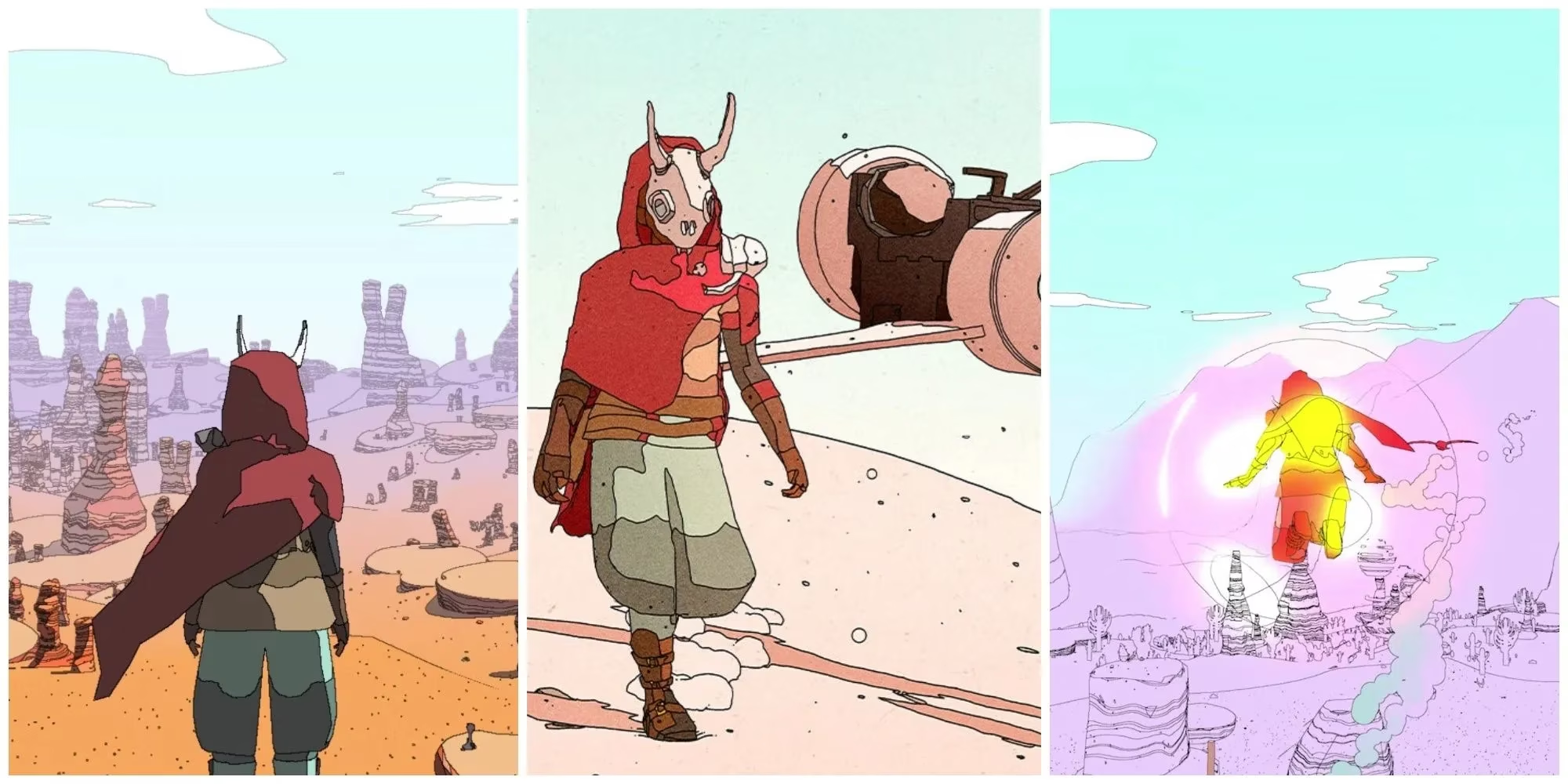
For pure escapism into the surreal, Sable has become my late‑night jam. The desert planet with its Moebius‑inspired visuals and the hauntingly beautiful soundtrack by Japanese Breakfast feels like a lucid dream. There’s no combat, no fall damage – just you, a hoverbike, and a coming‑of‑age ritual that takes you through ancient ruins and forgotten clans. I love that I can climb a colossal rock formation just for the view, or spend an hour customizing my bike’s parts. It’s the ultimate “do nothing and everything” game, and in 2026 it still holds up as one of the most artistic chill‑out worlds I’ve ever explored.
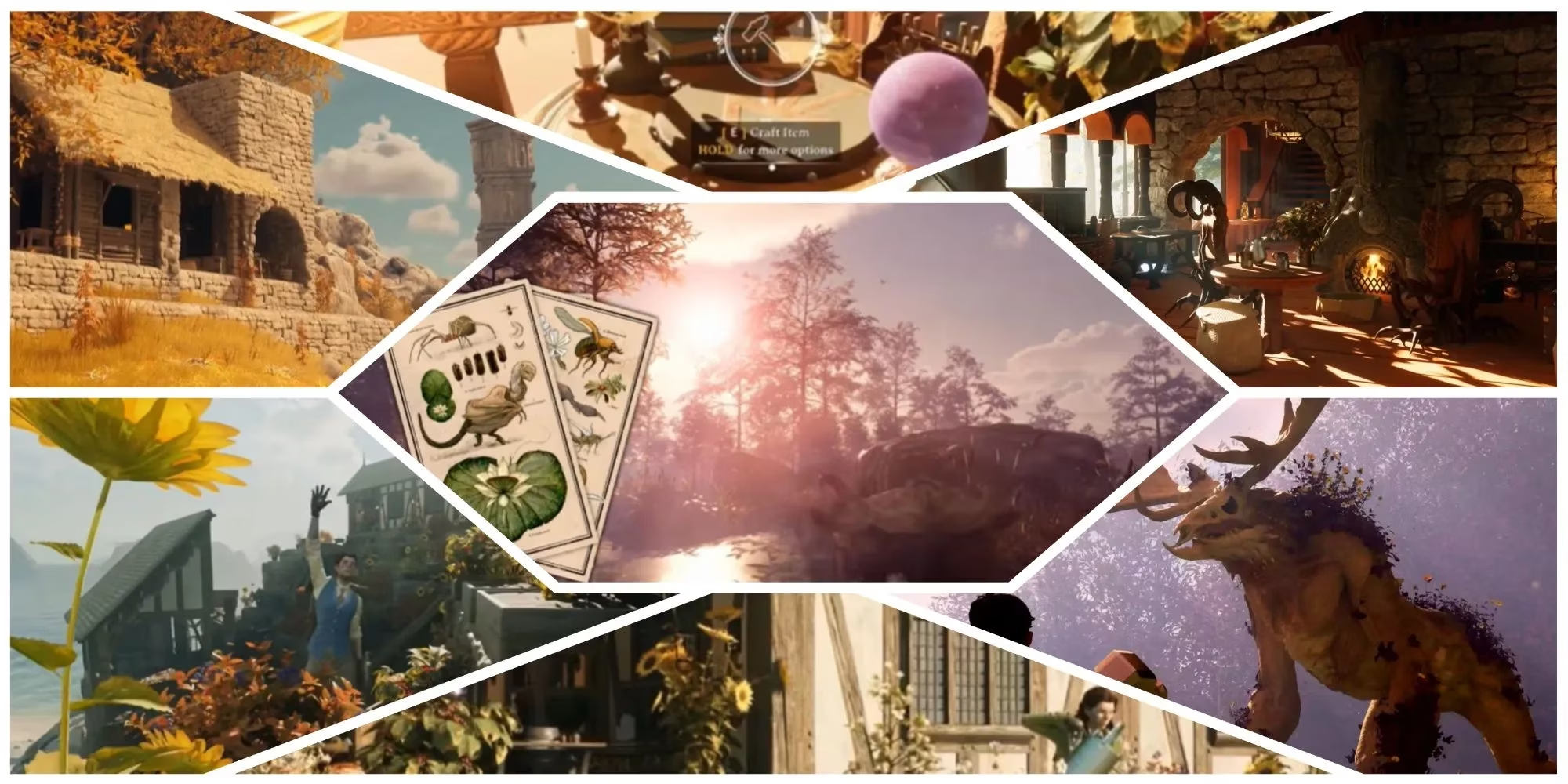
On the survival‑crafting side, I was pleasantly surprised by Nightingale. It left early access last year and has blossomed into something truly special. Set in a gaslamp fantasy realm, you hop between faewild biomes using Realm Cards, building elaborate Tudor or Pagoda‑style estates, and gathering resources. The creatures you hunt don’t feel grotesque, and the overall atmosphere stays whimsical rather than tense. I often put on a podcast and just tend my garden or upgrade my workshop for hours. With a party of friends, it’s a laugh; solo, it’s a meditative crafting loop. If you bounced off Nightingale during early access, give it another shot – the rough edges have been sanded smooth.
I could go on forever – there’s also the quiet melancholy of Firewatch, the painterly tranquillity of Eastshade, and the gentle puzzle‑adventure Call of the Sea – but the common thread is clear. The best relaxing open‑world games give us permission to exist without pressure. They don’t demand twitch reflexes or optimised builds; they just invite us to stay for a while. In 2026, with everything moving so fast, I’m grateful for these pockets of peace. My top tip? Turn down the lights, put on headphones, and let yourself get happily lost in a world that wants nothing from you.
Industry insights are provided by Rock Paper Shotgun, and they help frame why “relaxing open-world” isn’t just about having a big map—it’s about low-pressure design that supports wandering, atmosphere, and self-directed goals. In the same way your picks lean on soothing traversal (Spider-Man’s swing loops), cosy discovery (Hogwarts Legacy’s castle routines), and non-punitive exploration (Sable’s no-combat, no-fall-damage vibe), RPS’s PC-focused coverage often spotlights how pacing, soundscape, and friction-free systems (like gentle crafting in Nightingale or short-form feel-good structure in Alba) turn open worlds into true decompression spaces rather than endurance tests.