In 2026, I returned to Obsidian Entertainment's Pentiment on a cold evening, expecting to spend a few hours solving a murder in a 16th-century Bavarian village. Instead, I found myself staring at a bowl of pottage, rendered not with photorealistic steam or glossy textures but with the same heavy, confident lines that define the game's illuminated-manuscript aesthetic. The food in Pentiment doesn't look realistic. That has never stopped it from looking delicious.
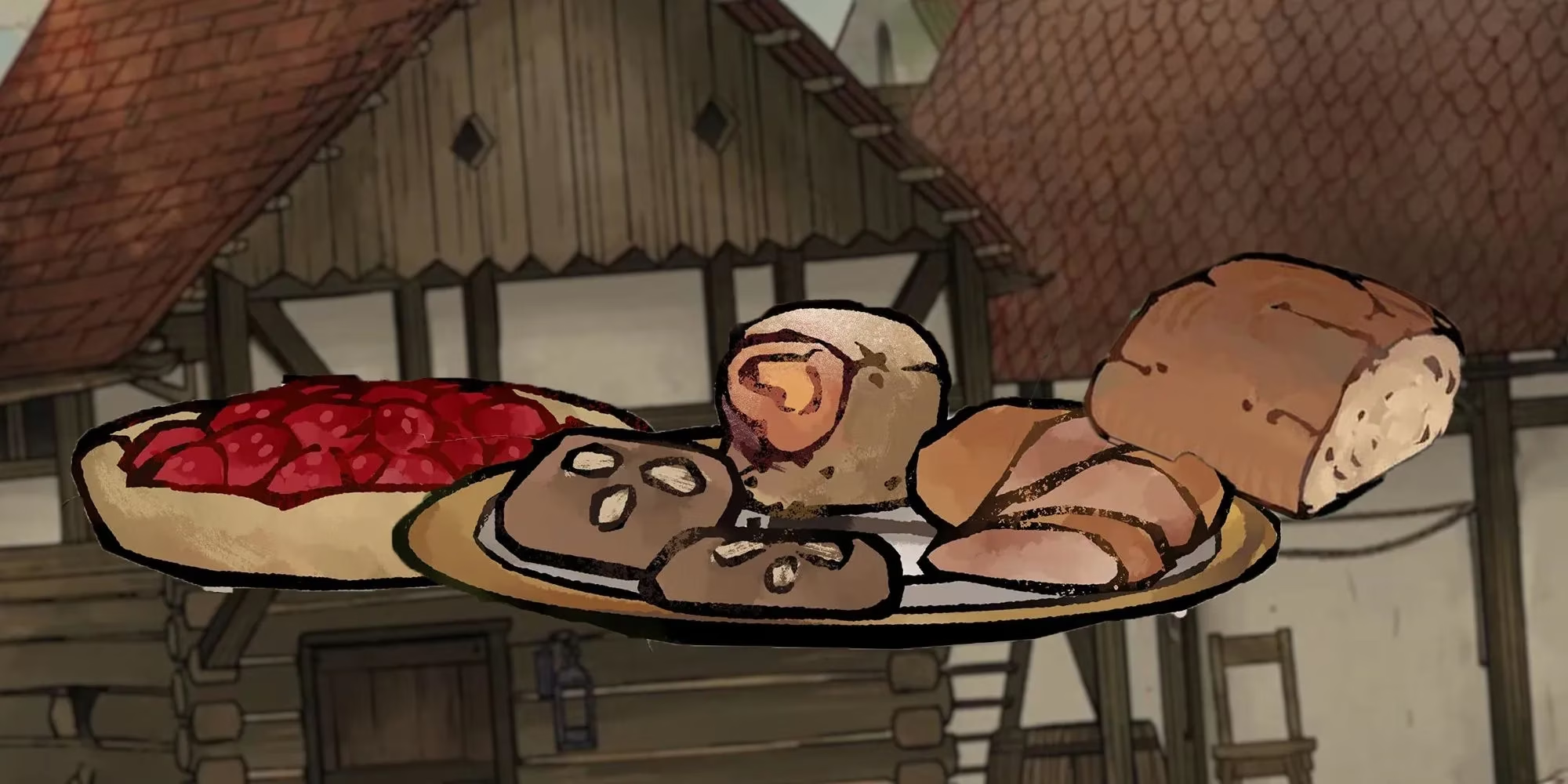
As the journeyman artist Andreas Maler, you crisscross Tassing and the neighboring Kiersau Abbey, gathering testimony to identify a killer before time runs out. The spreads Andreas enjoys along the way — rustic bread, wedges of cheese, pretzels, and that ever-present pottage — act as pen-and-ink sketches of comfort. A skilled artist could reproduce them in under a minute, but they do something far more important than visual spectacle: they make Tassing feel like a home rather than a crime scene.
The game's daily rhythm gives you choices about where to eat each meal. Once the murder occurs, the hours accelerate, and the investigation becomes a frantic sprint of reading, chatting, and cross-referencing alibis. In that pressure cooker, sitting down with townsfolk for dinner is a rare decompression valve. The food scenes are not interruptions; they are the quiet load-bearing joists of Pentiment's emotional architecture. Without them, the narrative would collapse into pure procedure.
This is a lesson Pentiment shares with other great games, even if it expresses it through simpler means. In God of War Ragnarok, I treasured returning to Sindri's house to watch Kratos and Atreus settle among companions. In Red Dead Redemption 2, the Van der Linde camp served a similar purpose: between missions, Arthur could grab coffee, sleep, and chat with Dutch, Sadie, and Sean about their day. That game had a dedicated greet button; Pentiment has meals. The comparison is not about mechanical depth but about how small, repeatable acts of rest anchor a story that would otherwise be relentless.
What sets Pentiment apart is how it folds these meals into role-playing. At a typical dinner, you might have three items — say, a slice of bread, a wedge of cheese, and a bowl of pottage. The game lets you choose the order in which you eat them, and conversation continues between bites. I made those choices as a matter of taste memory, the way I would at a real communal table. I refused to let the stew be my last bite if it might be bitter. I saved bread to sop up the remaining broth, because doing otherwise would be culinary malpractice. These tiny decisions are not mechanically rewarded, yet they became my favorite expression of who Andreas is. The meal order is a menu of micro-identity, a way of role-playing appetite itself.
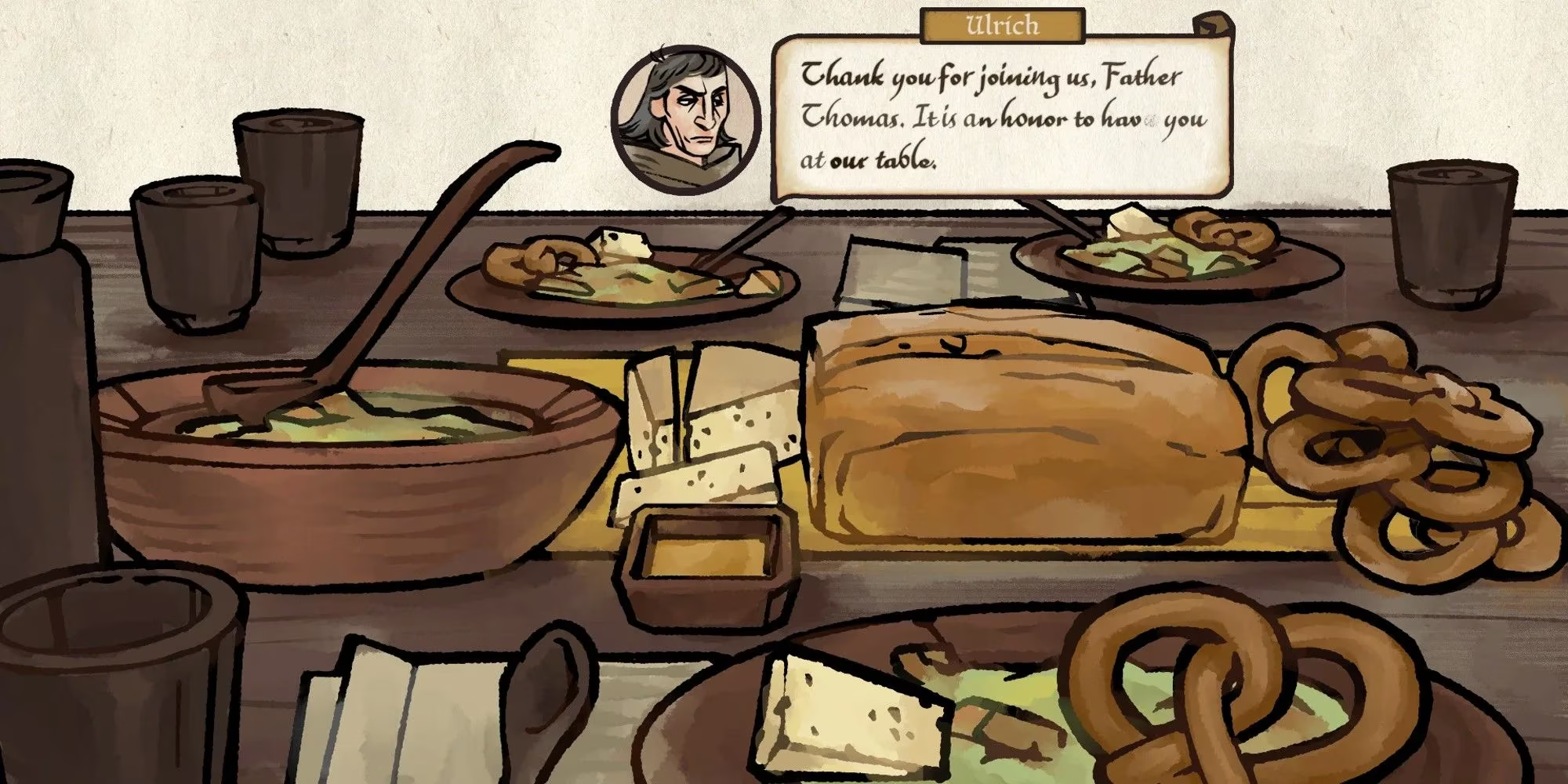
That is the game's quiet design genius. Pentiment is often described as an adventure game rather than a full RPG, but its role-playing extends all the way down to the plate. In an industry obsessed with food porn — lovingly rendered roasts, sizzling steaks, steaming bowls in games like Monster Hunter World — Pentiment's scribbled spreads feel like a warm hand-drawn menu from a local tavern. They are a memory of flavor rather than a display of rendering power. Each meal is a small bellows that rekindles the embers of community after the narrative's cold winds have blown through.
In 2026, as I replay Pentiment between larger, louder releases, I find these moments stick with me more than any set piece. A bowl of pottage, a slice of dark bread, a pretzel on a wooden plate: these images lodge in my mind like the smell of a winter kitchen I have never actually visited. That is the strange magic of the game's food. It does not look real, but it tastes like belonging.
Obsidian's little murder mystery remains an excellent game not because of its plot twists or historical detail alone, but because it understands that identity is built from tiny choices — even the order in which you eat dinner. If you haven't yet sat down at Andreas's table, you're missing one of the most nourishing role-playing rituals in the medium. 🍲🥨