I still remember the first trailer for The Day Before. It was early 2023, and the gaming world was hungry for a next-gen zombie survival MMO. The footage showed a deserted city, a lone survivor weaving through abandoned cars, and a logo that felt eerily familiar. At the time, I couldn't quite place my finger on it, but a sour note rang in my head—like hearing a pop song's chorus in a completely different track, where the melody is the same but the lyrics are clumsily rewritten. That was my first brush with what would become the most audacious plagiarism carnival in modern gaming history. Developers Fntastic didn't just borrow ideas; they operated like a kleptomaniac magpie, snatching shiny objects from every blockbuster they could find, then hoping no one would notice the pile of stolen goods sitting in their nest.
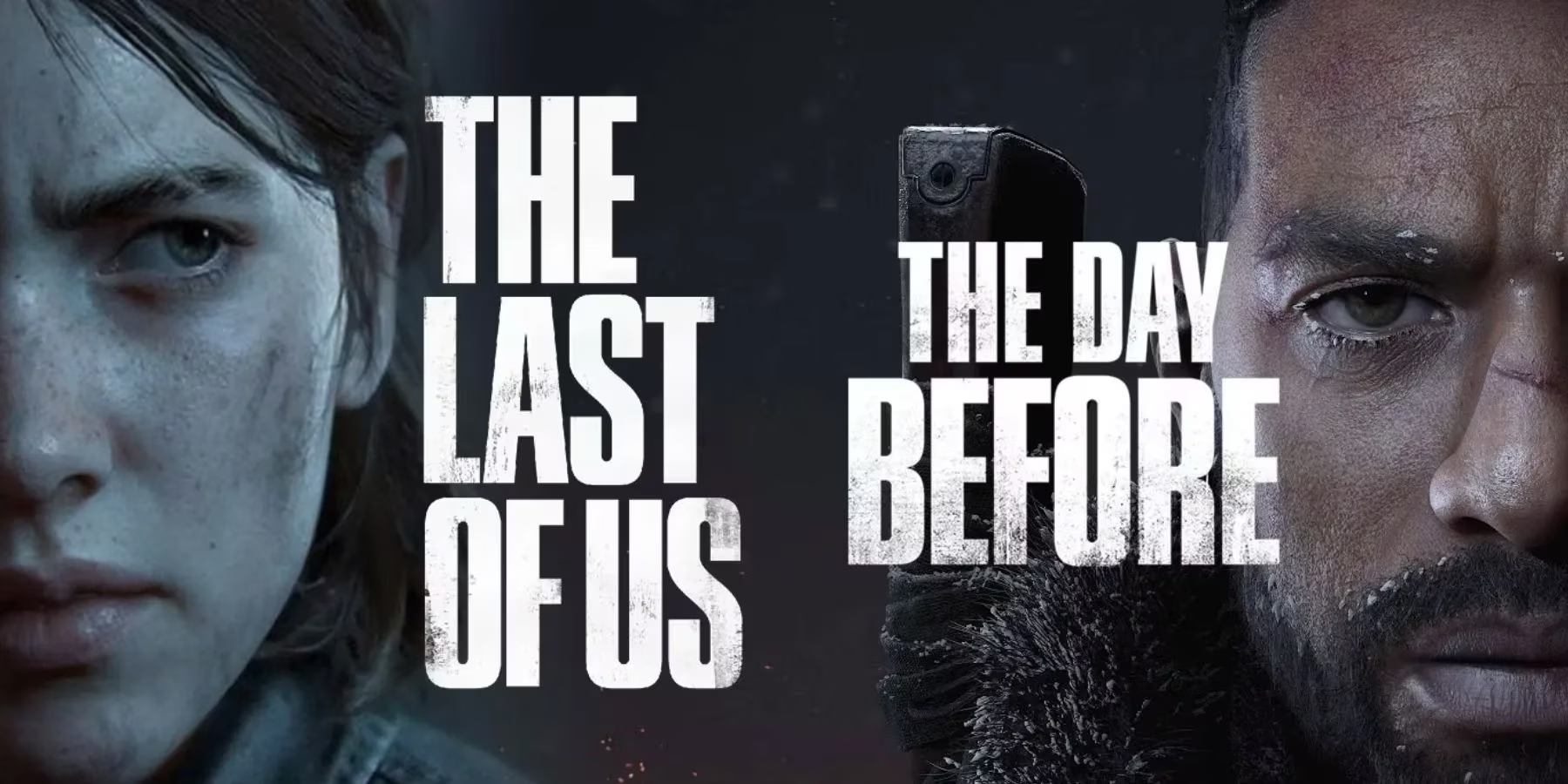
By 2026, The Day Before has become a cautionary tale whispered in game dev meetups, a textbook example of how not to build hype. The project evaporated somewhere between legal threats and community outrage, leaving behind a ghostly Steam page and a trail of carbon-copied trailers. Looking back, the signs were so blatant they felt like a dare. Take the game's very name. "The Day Before"—it promised an origin story, a prelude to disaster. In reality, it was the disaster itself, unfolding in real time. Fntastic's strategy was a hall of mirrors, each reflection revealing a different AAA title staring back at us. The copying wasn't subtle; it was as if someone had taken a photocopier to Rockstar's script vault, set it to "collate," and hit print.
I pored over the trailers frame by frame, and the evidence was damning. In the November 2023 trailer, a gravelly voiceover intoned, "We’ve made combat deep and engaging at all times. Each weapon has unique characteristics with realistic reload and recoil." My brain immediately screamed Red Dead Redemption 2. Those exact words, almost to the syllable, had serenaded Arthur Morgan's gritty world years earlier. Fntastic hadn't even bothered to change the seasoning. It was like a chef claiming his secret recipe was original when the ingredient list was a direct scan from a five-star restaurant's menu, right down to the font.
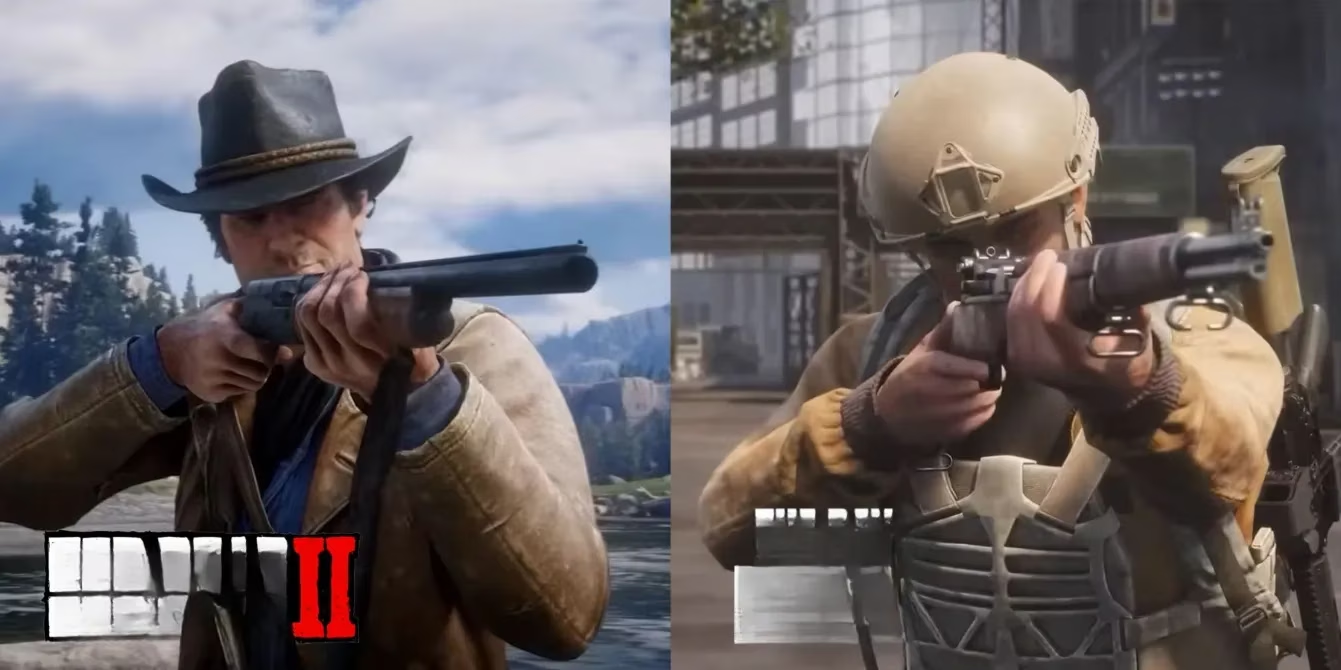
That wasn't the only Rockstar gem they pilfered. A earlier teaser showed a sports car tearing through post-apocalyptic streets, an image so jarringly out of place it might as well have been a UFO. The voiceover, meanwhile, mirrored the cadence and phrasing of a Grand Theft Auto V announcement. The influence was less inspiration and more spiritual hostage situation. Fntastic seemed to believe that if you splice enough blockbuster DNA together, you'd birth a unicorn. Instead, they created a shambling Frankenstein's monster, each limb recognizable from a different donor, stitched together with the finesse of a rush job in a dark alley.
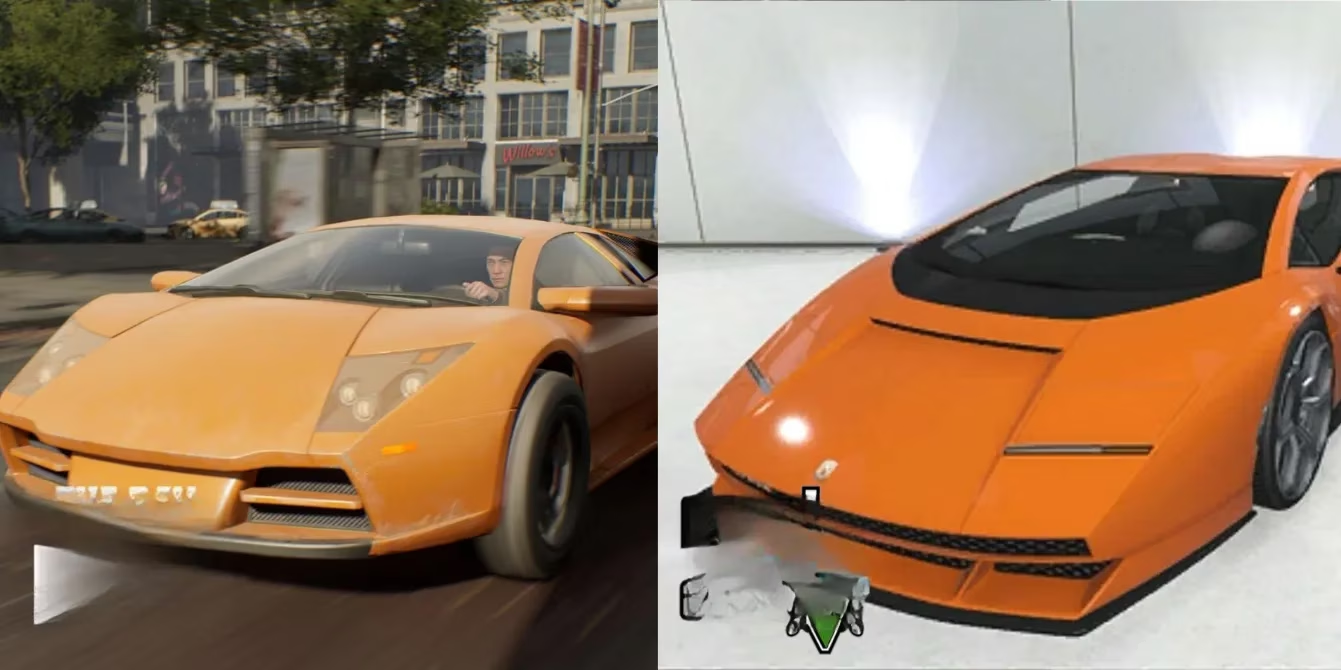
Then there was the Cyberpunk 2077 lift. The trailer famously concluded with "Immerse yourself in The Day Before," a phrase lifted almost verbatim from CD Projekt Red's opus. Even the city name, "New Fortune City," echoed "Night City" like a faint, tinny reflection. It was the kind of coincidence that makes you snort coffee through your nose if you believe in it. To me, it felt like Fntastic was building an elaborate ship inside a bottle, but every plank, every mast, every tiny sail was labeled with another maker's trademark. They wanted to sail into success, but the bottle never left the shelf.
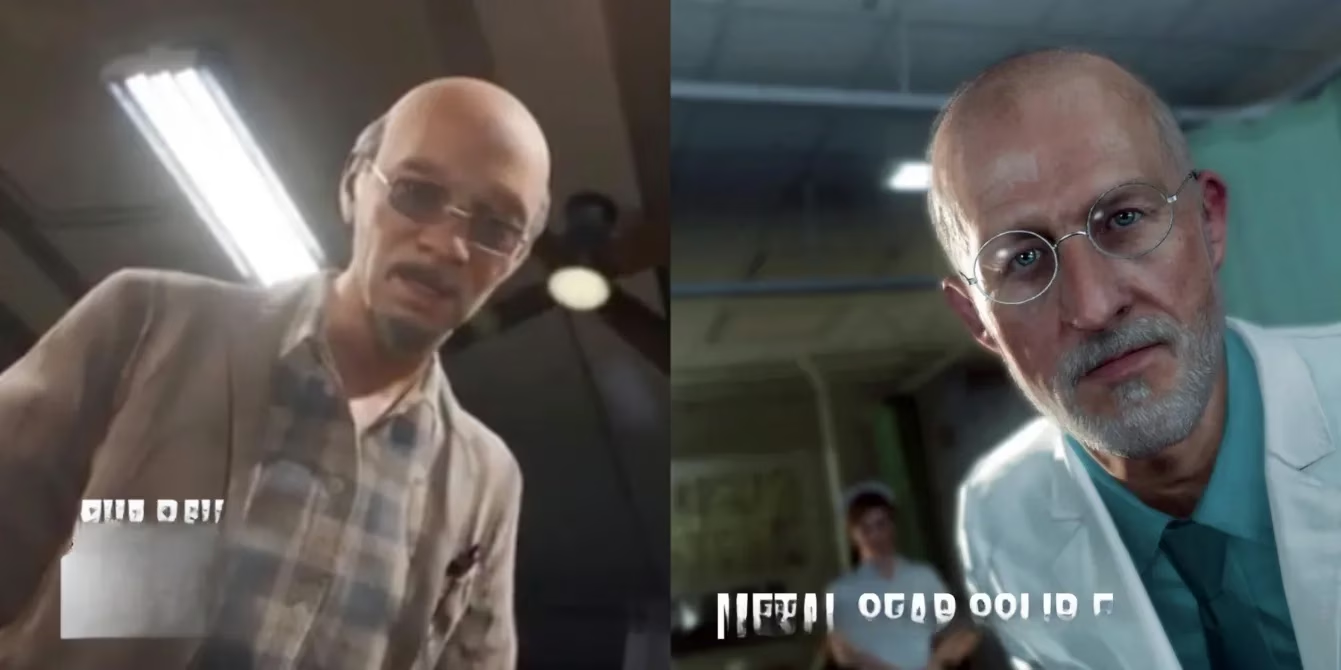
Brief, disorienting fragments popped up elsewhere. A shot of a doctor reviving the player echoed the prologue of Metal Gear Solid V so closely I had to blink twice. Was it intentional? In isolation, you might dismiss it. But in a collage of lifted assets and mirrored scripts, you stop giving benefit of the doubt. It became a grim parlor game: spot the reference, collect the outrage.
The posters were no better. The first reveal used the exact same distressed serif font as The Last of Us, a choice so transparent it was like a pickpocket wearing a sign that says "I steal." For a zombie title desperate to carve its own identity, copying the most iconic undead franchise's typography was a self-inflicted wound. Another promotional image shared an uncanny compositional twin with The Division, down to the positioning of the lone protagonist against a ravaged backdrop.
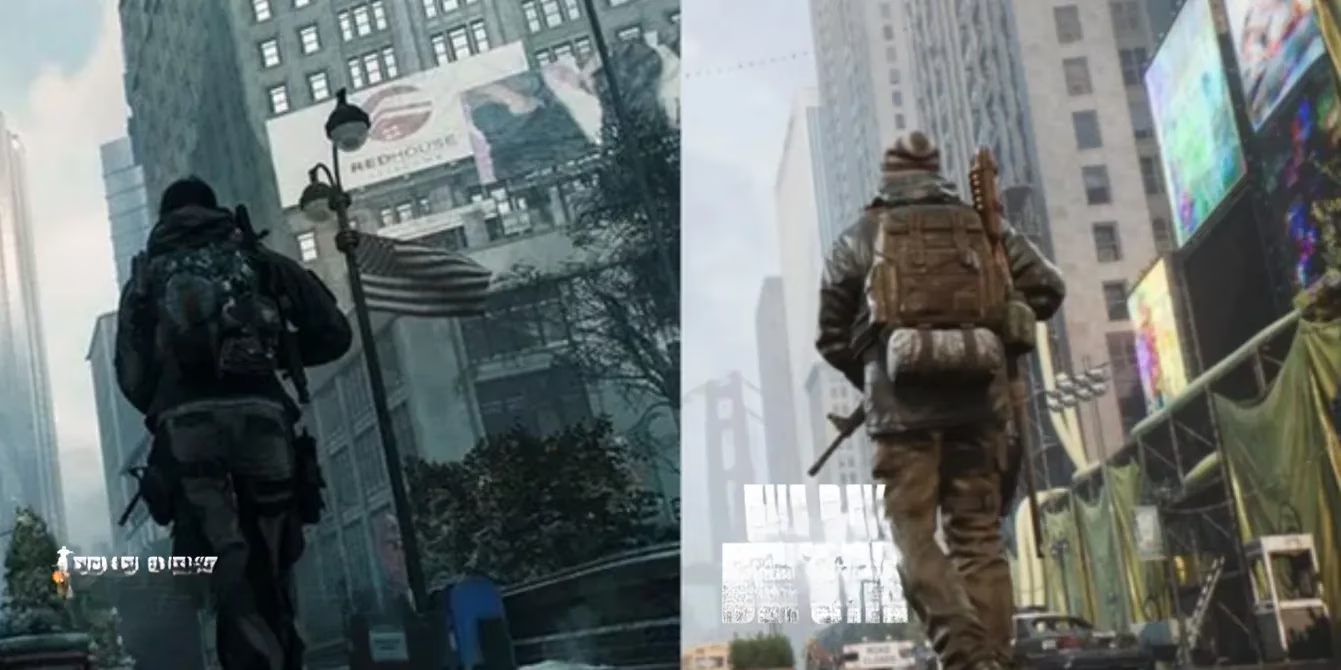
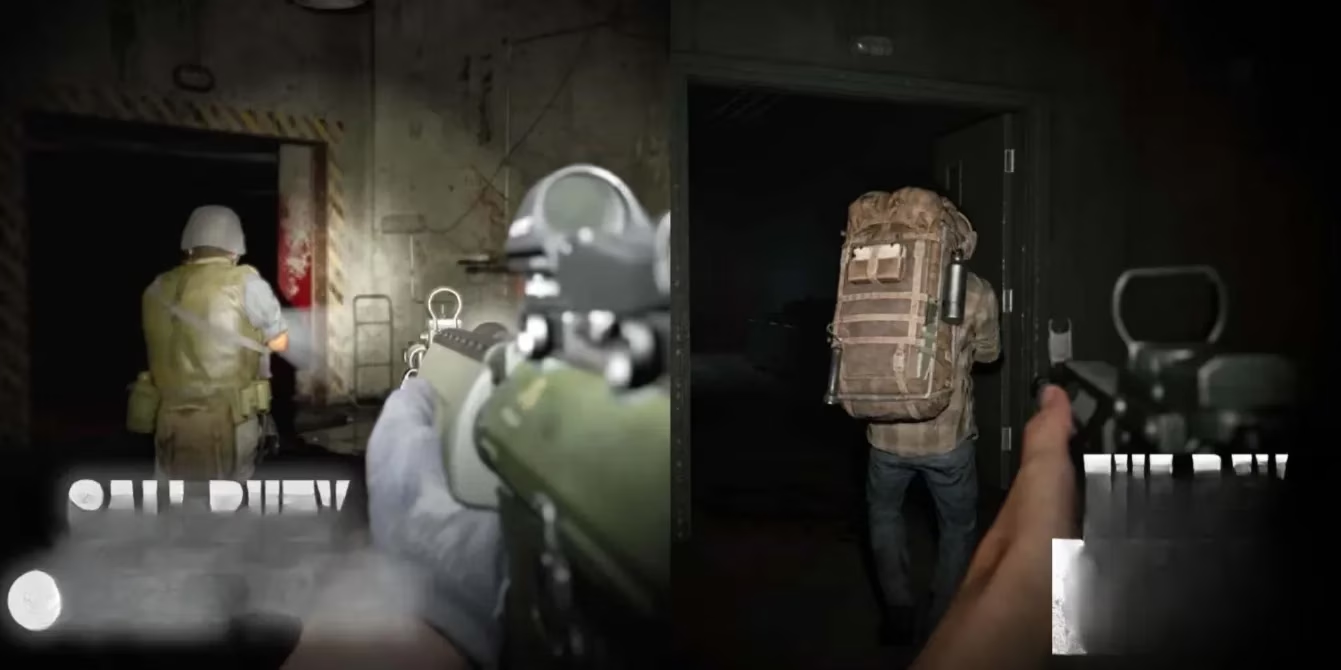
But the pièce de résistance arrived in early 2023, when someone lined up the game's trailer with the Zombies mode trailer from Call of Duty: Black Ops Cold War. It was a shot-for-shot remake. The lighting, the angles, the pacing—a perfect mirror. This wasn't inspiration; this was tracing paper held up to the monitor. The resemblance was so exact that it crossed from plagiarism into performance art, a bold statement that maybe, just maybe, Fntastic wanted to see how much they could get away with.
As 2026 rolls on, the dust has settled. Fntastic's project never recovered from the avalanche of skepticism. Some called it a scam; others simply a catastrophic mismanagement of ambition. To me, it was a lighthouse for everything wrong with hype-driven development—a beacon that warned, "Don't crash here." The game's legacy is a masterclass in how credibility, once shattered, cannot be stitched back together with borrowed needles.
Looking back, I almost feel a strange nostalgia for the brazenness. The whole saga feels like a digital heist film where the robbers forgot to wear masks and left their wallets at the crime scene. The Day Before didn't just fail; it failed in the most spectacular, copy-pasted fashion possible. And in the gaming industry's ever-spinning rumor mill, that kind of failure is its own dark art.