In 2026, the unfinished epic RPG is less an exception than a lifestyle. Players bounce between sprawling choice-driven adventures, long-tail updates, and subscription libraries, often leaving a save file dormant for six months or a year. The intention to return is sincere. The execution is another matter. As one long-time games journalist recently observed, coming back to a complex RPG after a long break can feel like a head of state returning to office after a coma—there are quest checklists, inventories, and wars to declare, and the world has not paused politely in the meantime.
When the World Keeps Spinning
The problem is not merely forgetting controls. It is re-entering a narrative where the player was already at the centre of power struggles, conspiracies, and prophecies. The Witcher 2: Assassin of Kings offers a representative case. After 18 months away, the player is dropped into an army encampment while a prince or king talks military affairs. The player nods stoically, pretending to understand, until three dialogue choices appear and demand advice on a decision that will shape the story. Winging it through such moments—sure, kill the elves and save the prince—turns a choice-driven RPG into Russian roulette. The genre pretends the player is a regular wanderer, but it invariably pulls them into high-level trouble. That is simply the RPG way.
Romance, Reunions, and Awkward Mornings
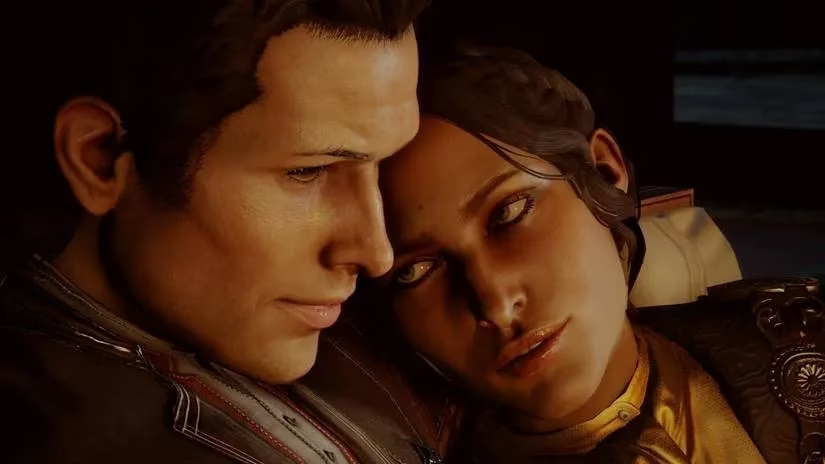
Party-based RPGs add a social minefield. In Mass Effect and Dragon Age, a returning player can wake up at the party base and find a burly horned beast or a fin-haired blue alien staring back with glistening eyes, ready for a deep-feelings conversation. A more casual bedmate may reminisce about a wild night the player apparently just spent together. Who is this person? How far along is this thing? Did the companion simply lie there watching the character sleep for eight months? The scene is a bit of a nightmare ... The game remembers intimacy; the player remembers nothing.
Recaps That Actually Help
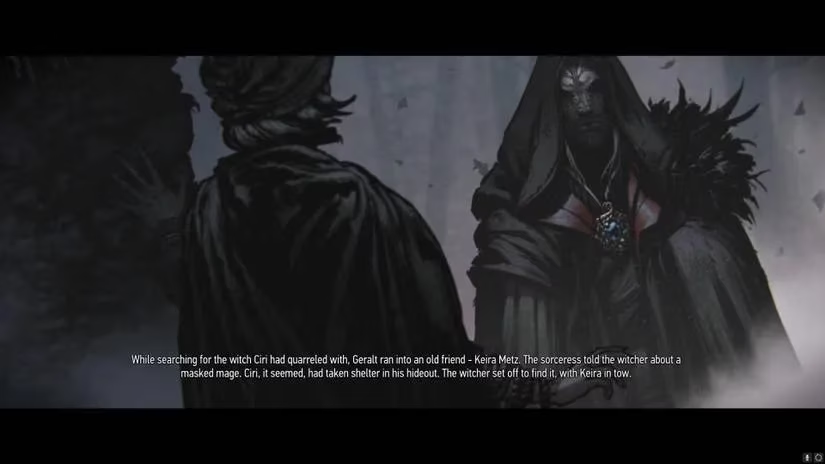
Some games try to offer a hand. The Witcher 3 uses a loading-screen narrator and hand-drawn images to present recent events, giving foggy memories a narrative foothold—like waking after a long night with the Bloody Baron while he wailed about his dead baby and marital transgressions. Tyranny logs the player's passage in a tome-like journal, as if a historian were charting grand events. A couple of minutes with a well-worded journal can catch a player up. These recaps do not solve every problem, but they acknowledge that returning players need more than a control tutorial.
Inventory: The Final Boss of Returning
Story recap is only half the battle. A well-stocked inventory can be terrifying: pages of abstracted items, numbers, buffs, and attachments that the player vaguely remembers planning to dismantle and reattach to another weapon. Which weapon? Was there a better option? Why was the game put down for a year in the first place? The inventory stares back, offering no answers. In 2026, with expansion-sized patches and crafting systems layered onto already long RPGs, this final boss has only grown tougher.
| Game | Story recap support | Inventory complexity | Re-entry verdict |
|---|---|---|---|
| The Witcher 2 | Limited | Moderate | Harsh |
| The Witcher 3 | Strong loading-screen recaps | Moderate to high | Manageable with recap |
| Tyranny | Elegant tome journal | Moderate | Friendly |
| Mass Effect / Dragon Age | Varies | High, plus romance state | Socially awkward |
| Red Dead Redemption 2 | Minimal but familiar | Low | Surprisingly smooth |
The Restart Catch-22
How long can a break be before returning becomes alienating? At what point is starting over the better choice? The Catch-22 is cruel: the deeper the player was, the more complex the return, but the greater the guilt about restarting. Those 30, 40, or 60 hours of progress become meaningless the moment New Game is selected with trembling fingers. In 2026, with games routinely running past 100 hours and live-service updates rewriting systems, the guilt is heavier. No shame in starting over—but it still stings.
Why Red Dead Redemption 2 Was Easier
Interestingly, one journalist bounced off returns to The Witcher 2 and 3 but re-entered Red Dead Redemption 2 with relative ease after more than a year. Its uncomplicated inventory and familiar Rockstar mechanics helped, but so did its tortuously cyclical narrative. A story about drifters chasing an unattainable dream and constantly being let down by their leader is easy to resume because Arthur, Dutch, and company are not going anywhere. The game's deliberately trudgy pace also made restarting unappealing. Restarting Geralt's adventures with a fresh perspective—and a clean slate of romantic entanglements—was far more tempting.
What RPGs Can Do Better in 2026
The industry can do more than a loading-screen narrator. Studios could give returning players:
-
optional previously-on cutscenes that recap the last major branch;
-
plain-language state summaries for relationships and faction standing;
-
quest logs that explain why a task matters, not just where to go;
-
inventory audits that flag forgotten crafting plans and dangling attachments;
-
a gentle refresher on controls without a full tutorial.
Games could greet returning players with a hand rather than throw a kingdom at them. Until then, the long break remains a genre ritual: part guilt, part confusion, and part hope that the save file still remembers who the player was.