On a rain-slicked Tuesday in 2026, a player named Elias could save a galaxy, duel a god, or sprint through a cyberpunk skyline. Instead, he opens PowerWash Simulator and aims a virtual nozzle at a muddy garden gnome. The gnome does not fight back. It does not monologue. It simply becomes clean, pixel by pixel, and Elias feels a calm he rarely finds in real life. This is the quiet paradox of modern gaming: chores are miserable in reality, yet strangely magnetic when wrapped in a controller.
Real-world chores are a leaky faucet dripping into an ocean of resentment. Virtual chores are a metronome keeping time for a song the player chose. The tasks are similar—scrubbing, sorting, hauling, filing—but the framing changes everything. Games offer clear rules, immediate feedback, and a safe space to fail. They turn Sisyphean labor into a loop of small, legible victories. By 2026, as life feels noisier and more fragmented, that loop has become a refuge.
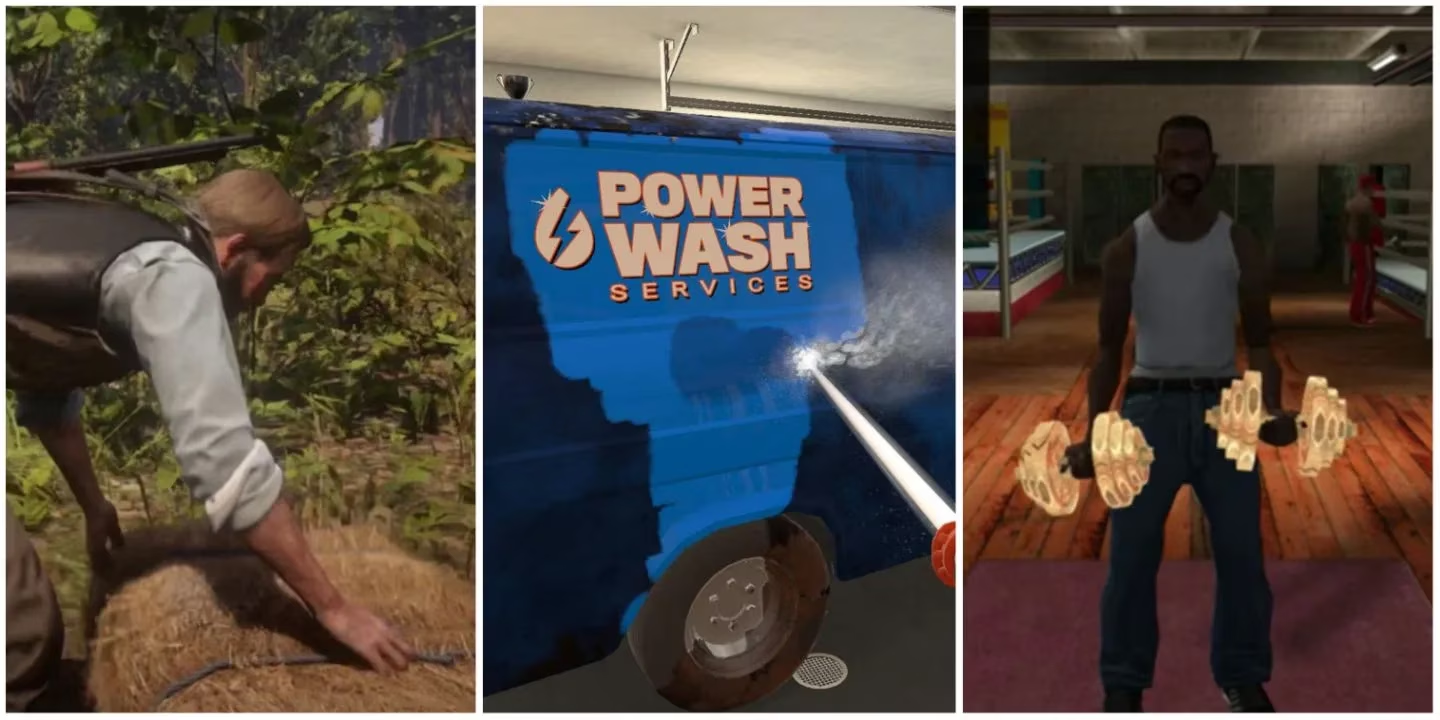
Grand Theft Auto: San Andreas — The Gym
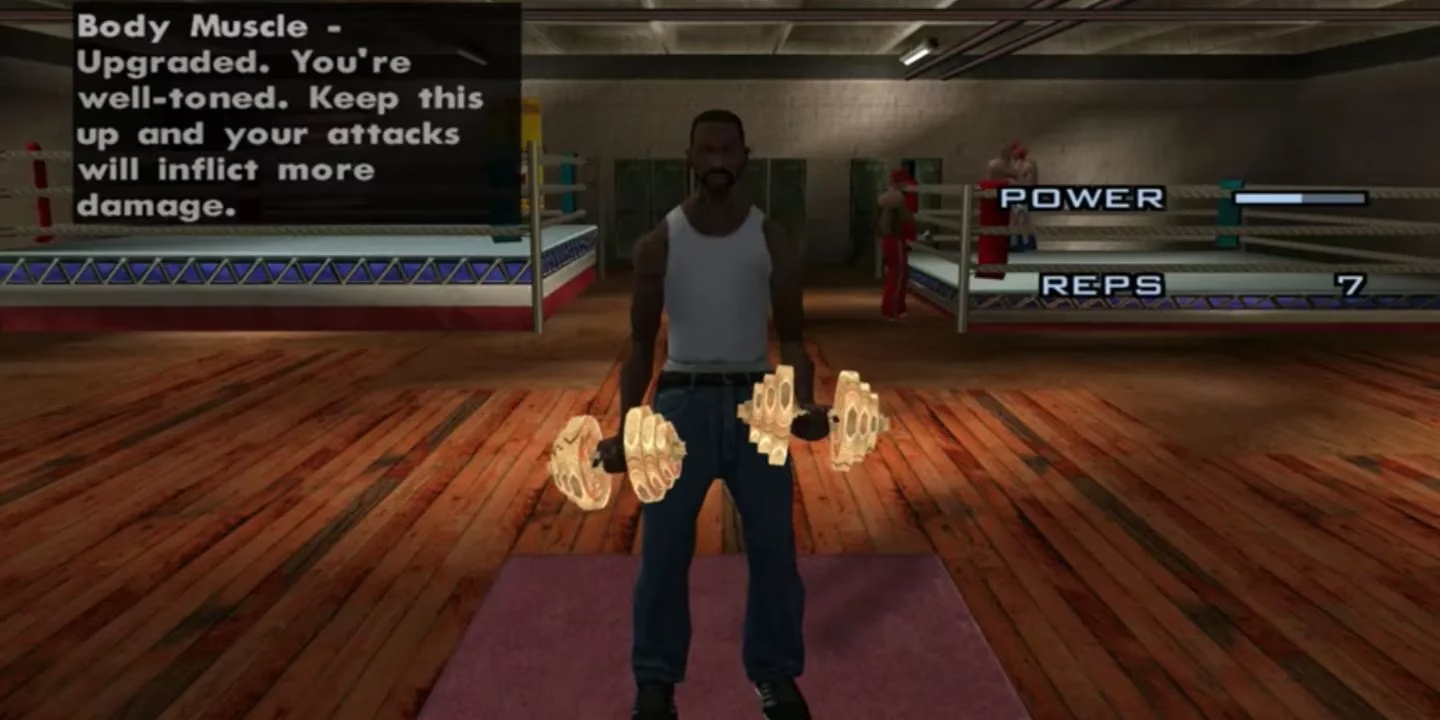
In San Andreas, the player guides CJ through a story of gang warfare and betrayal. Yet one of the most memorable rituals is not a drive-by. It is a bicep curl. The gym system tracks stamina, muscle, and fat. Eat too many burgers, and CJ slows down. Hit the treadmill and the bench press, and he becomes faster, stronger, and more capable in a fight. The repetition is absurdly simple, but the reward is legible. It is real-world gym discipline without the sweat, the mirrors, or the monthly fee.
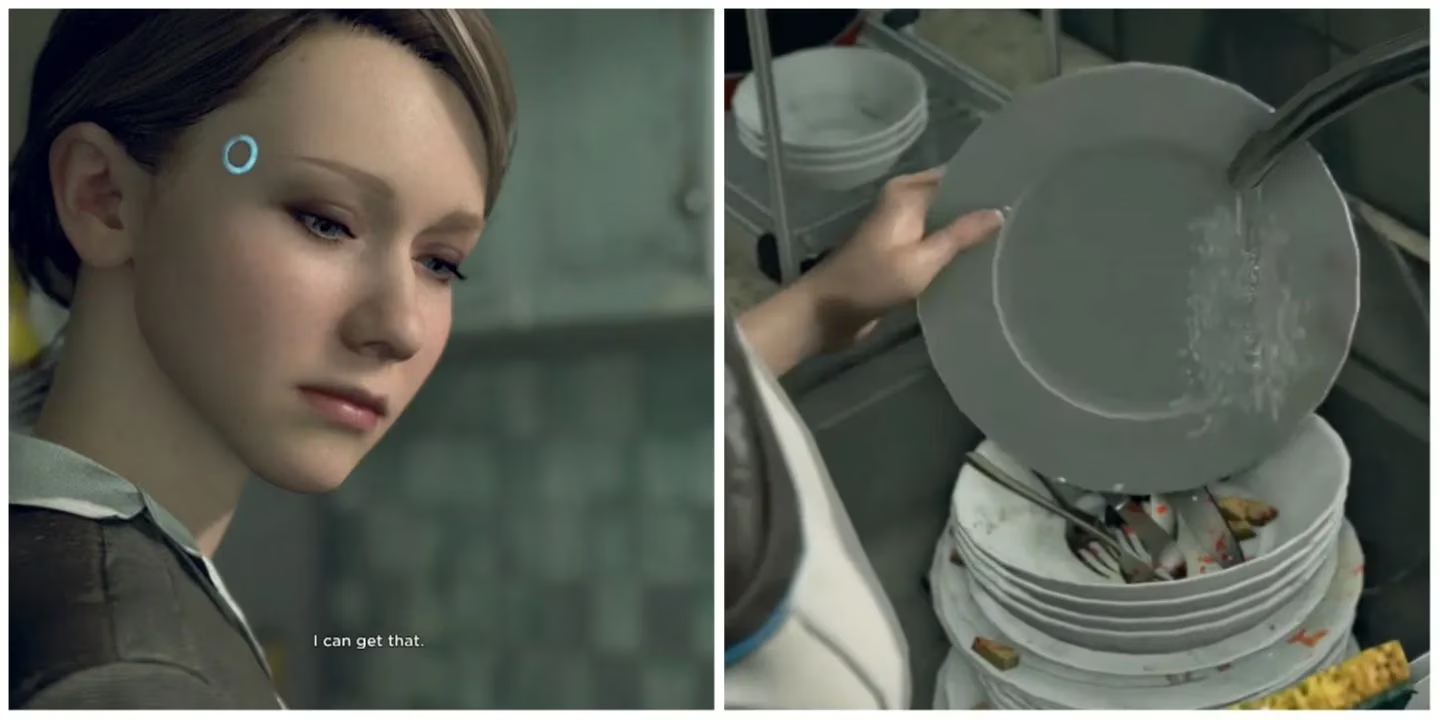
Detroit: Become Human — Android Housework
Detroit: Become Human sets its story in a future where androids do humanity's dirty work. Early on, the player controls Kara, a housekeeper android trapped in an abusive home. She takes out trash, scrubs bathrooms, and washes dishes. On paper, these are the dullest actions imaginable. In context, they are acts of survival. The player has no choice but to serve a cruel owner, and that frustration fuels the story. When Kara finally breaks free, the mundane chores retroactively become chains. Cleaning was never just cleaning. It was captivity, and the player felt every second.
Fable 2 — Jobs
Fable 2 introduced jobs that let players earn money through mini-games. Bartending, woodcutting, and blacksmithing each demanded timing and repetition. The tasks were not deep, but they were soothing. A player could chop wood for twenty minutes and feel their shoulders loosen. Promotions brought higher pay, and higher pay opened the door to Fable 2's surprisingly rich real estate system. The loop was simple: work, earn, buy, upgrade. It was like tending a garden that paid rent.
Red Dead Redemption 2 — Camp Chores
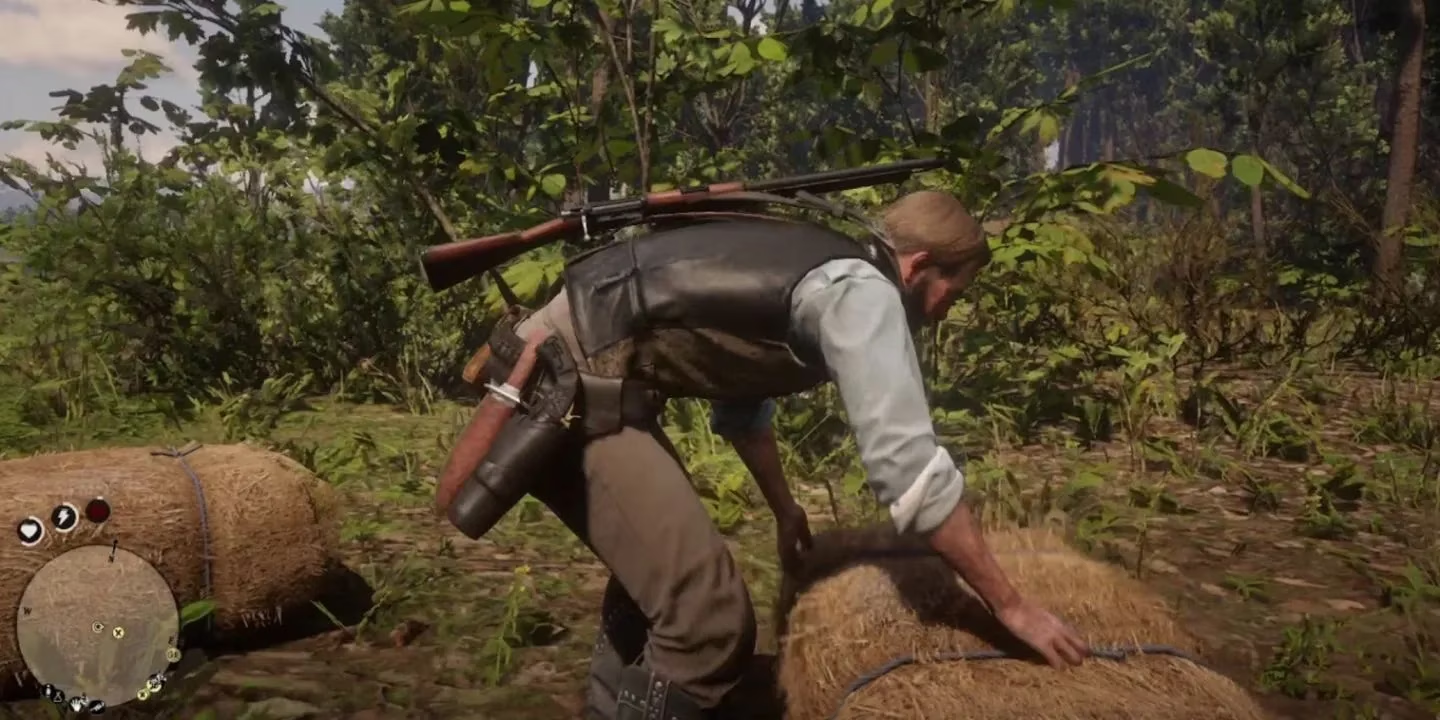
Red Dead Redemption 2 is famous for its shootouts and train robberies, but Arthur Morgan still has to haul hay, chop firewood, and feed chickens. These camp chores slow the pace. They restore Dead Eye and lift gang morale. After a tense mission, carrying a bale of hay feels almost meditative. The game does not force most of these tasks, which makes them feel like voluntary rituals. The player chooses to be useful, and the camp quietly acknowledges it.
Papers, Please — Bureaucratic Repetition
Papers, Please turns border control into a puzzle. The player examines passports, work permits, and entry stamps. Each document is a tiny, mundane object. Each decision is a moral weight. The repetition is the point: rules pile up, contradictions emerge, and the inspector's desk becomes a stage for authoritarian dread. It is not merely reading banal paperwork. It is detective work with a family's dinner on the line.
Unpacking — Moving Day, Minus the Backache
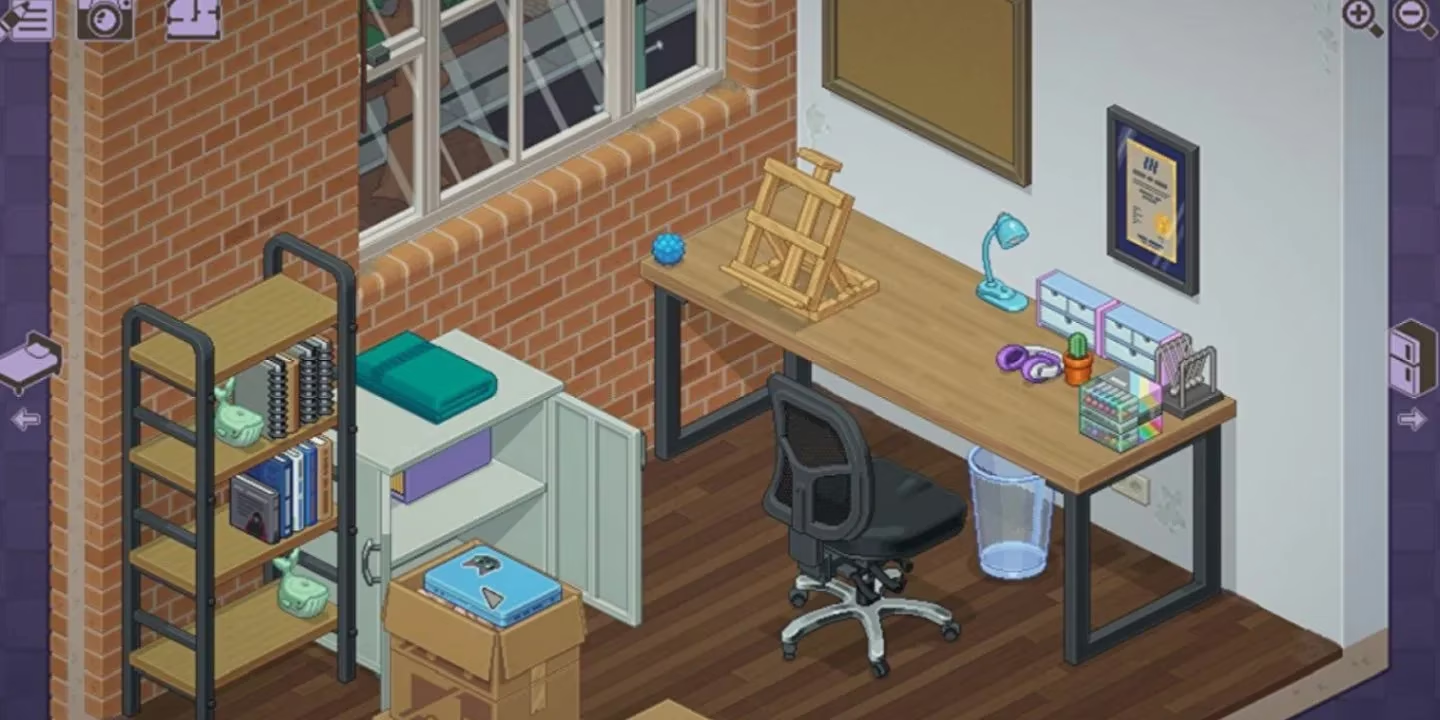
Unpacking takes the nightmare of moving and turns it into a gentle puzzle. The player removes possessions from boxes and places them in rooms. It is like playing Tetris with saucepans, potted plants, and an old DVD collection. There is no timer, no enemy, no fail state. The repetition lands like a monk raking gravel in a garden that politely forgets each stroke, yet rewards the raker with a perfect line. With serene music and soft pixel art, Unpacking makes order feel like a deep breath.
Shenmue — Forklift Job
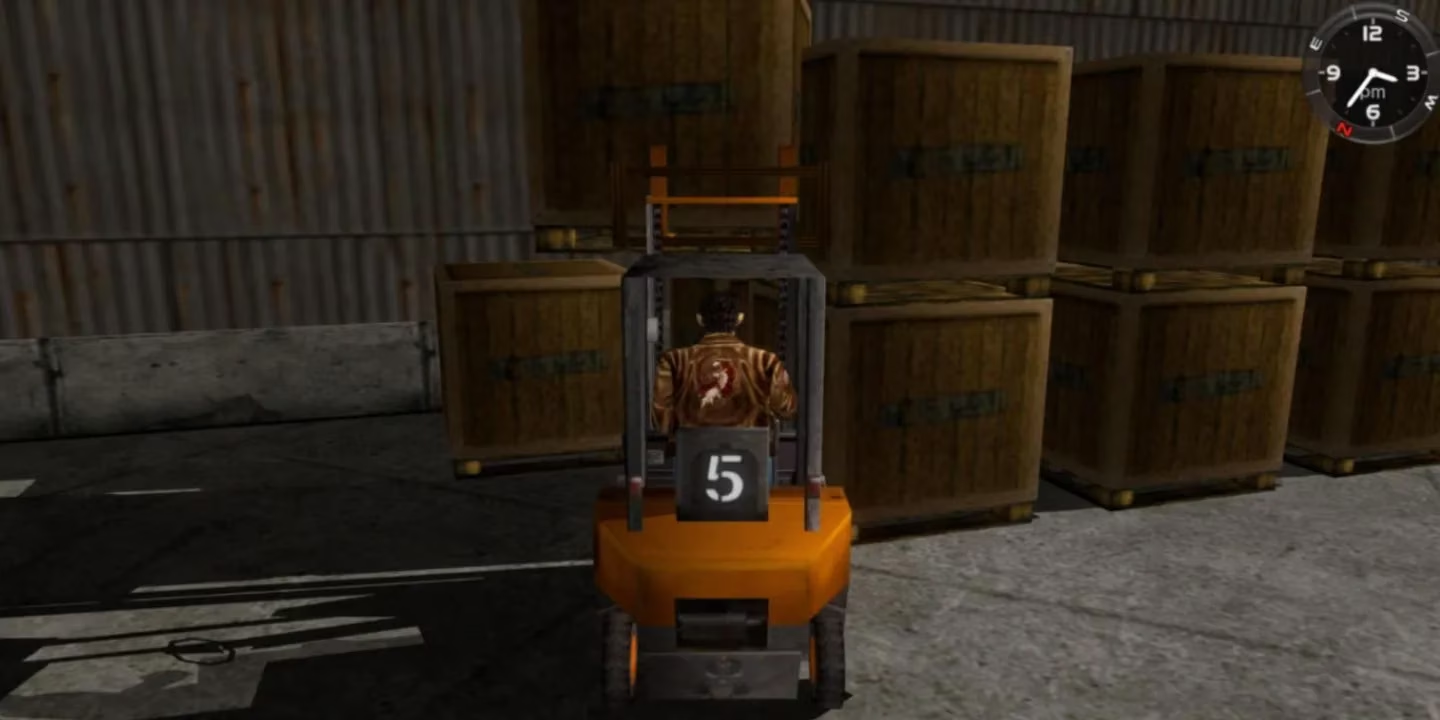
The original Shenmue was experimental, and its forklift job became unexpectedly beloved. Ryo Hazuki drives a forklift, stacks boxes, and races in morning warm-ups. The work is repetitive, but it pays the bills and deepens the world. Players learned the most efficient routes. They optimized their quotas. The forklift became a strange anchor in a revenge story, a mundane job that made the stakes feel human.
Minecraft — Mining, Building, Farming
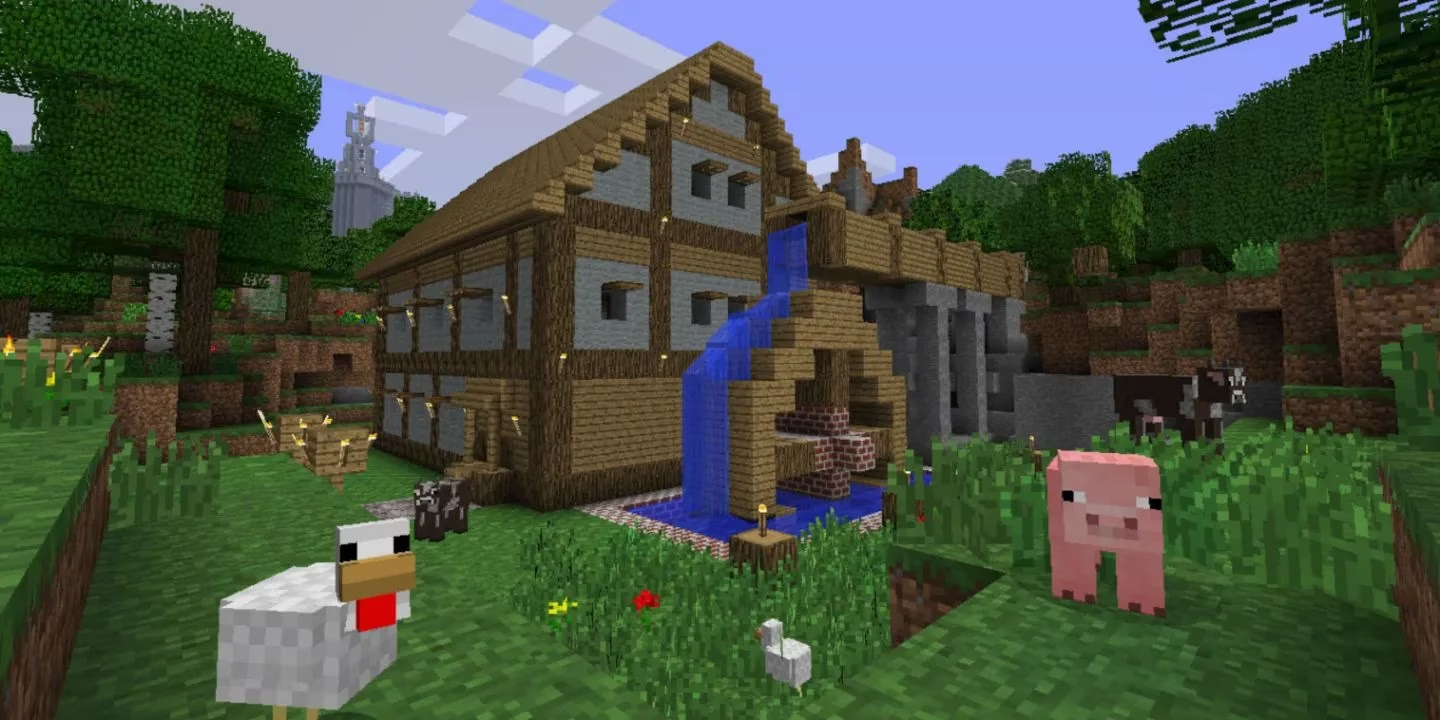
Minecraft is a cathedral built from boredom. Mining stone, crafting tools, planting wheat, and placing blocks are all repetitive acts. Yet they add up to something profound. A player can spend hours carving a tunnel and feel a deep, quiet satisfaction. The game does not demand spectacle. It offers presence. In 2026, Minecraft remains a place where mundane labor becomes creativity, and creativity becomes home.
House Flipper — Demolition and Renovation
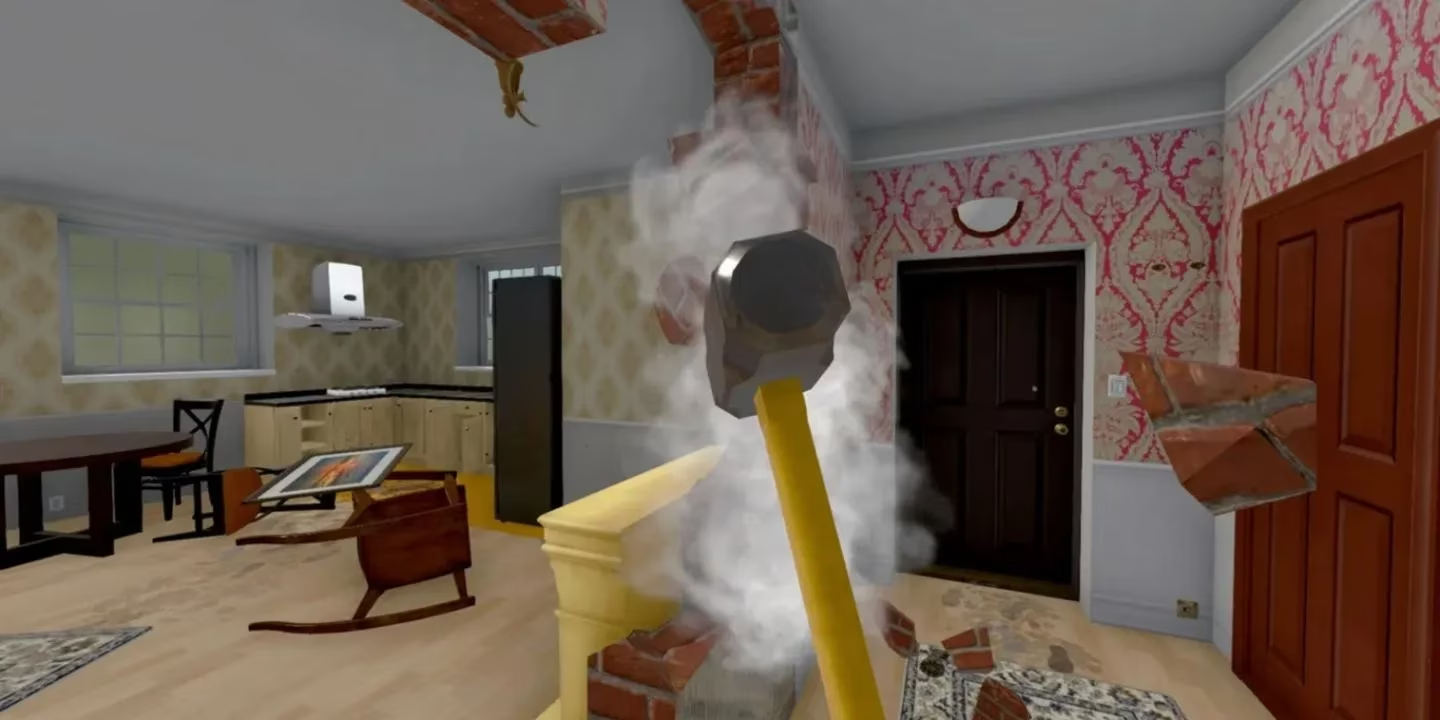
House Flipper lets the player become a one-person renovation crew. Smashing kitchen counters with a sledgehammer is cathartic, but the real work comes after. Paint walls, install appliances, choose furniture, and turn a wreck into a dream home. The game understands that cleaning up can be as satisfying as breaking things. It is a before-and-after montage the player gets to live inside.
PowerWash Simulator — The ASMR of Clean
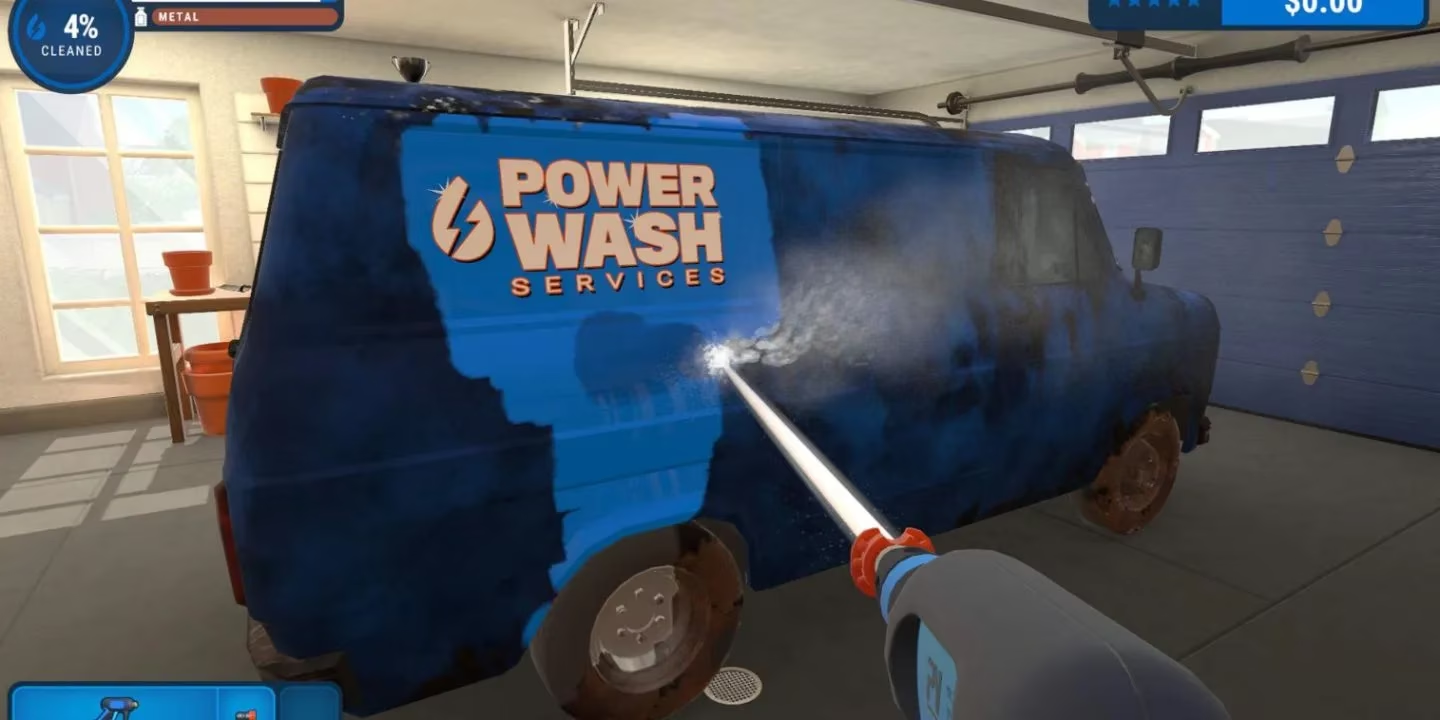
PowerWash Simulator turns grime removal into therapy. The player aims a jet washer at dirty surfaces and watches filth vanish. The feedback is immediate, audiovisual, and absurdly soothing. It is the viral ASMR cleaning trend made interactive. After a long day, the game offers a simple promise: make one small corner of the world sparkle. The nozzle becomes a wand, and the driveway becomes a canvas.
Why the Brain Says Yes
These games succeed because they remove the worst parts of real chores. There is no traffic, no nagging, no physical exhaustion, and no social judgment. There is only a task, a tool, and a progress bar. The player can stop at any time. That autonomy transforms obligation into play. The brain rewards completion, and games are masters of completion.
| Real-Life Chore | Virtual Version | Why It Works |
|---|---|---|
| Washing dishes | Kara's housework in Detroit | Narrative context turns labor into empathy |
| Going to the gym | GTA: San Andreas | Stats make effort visible |
| Filing paperwork | Papers, Please | Rules create tension and meaning |
| Moving house | Unpacking | Calm pacing removes stress |
| Cleaning a driveway | PowerWash Simulator | Instant audiovisual feedback |
In 2026, the appeal is stronger than ever. Players are surrounded by live-service demands, battle passes, and endless content. A mundane task in a game can feel like a sanctuary. It asks for attention, not anxiety. It offers a finished line, not an infinite feed. Elias, still holding the controller, finally switches off the console. The virtual driveway is spotless. The real kitchen is still messy. But for one hour, the world made sense. That is the strange joy of virtual chores: they let us practice control, order, and calm in a life that rarely provides any.